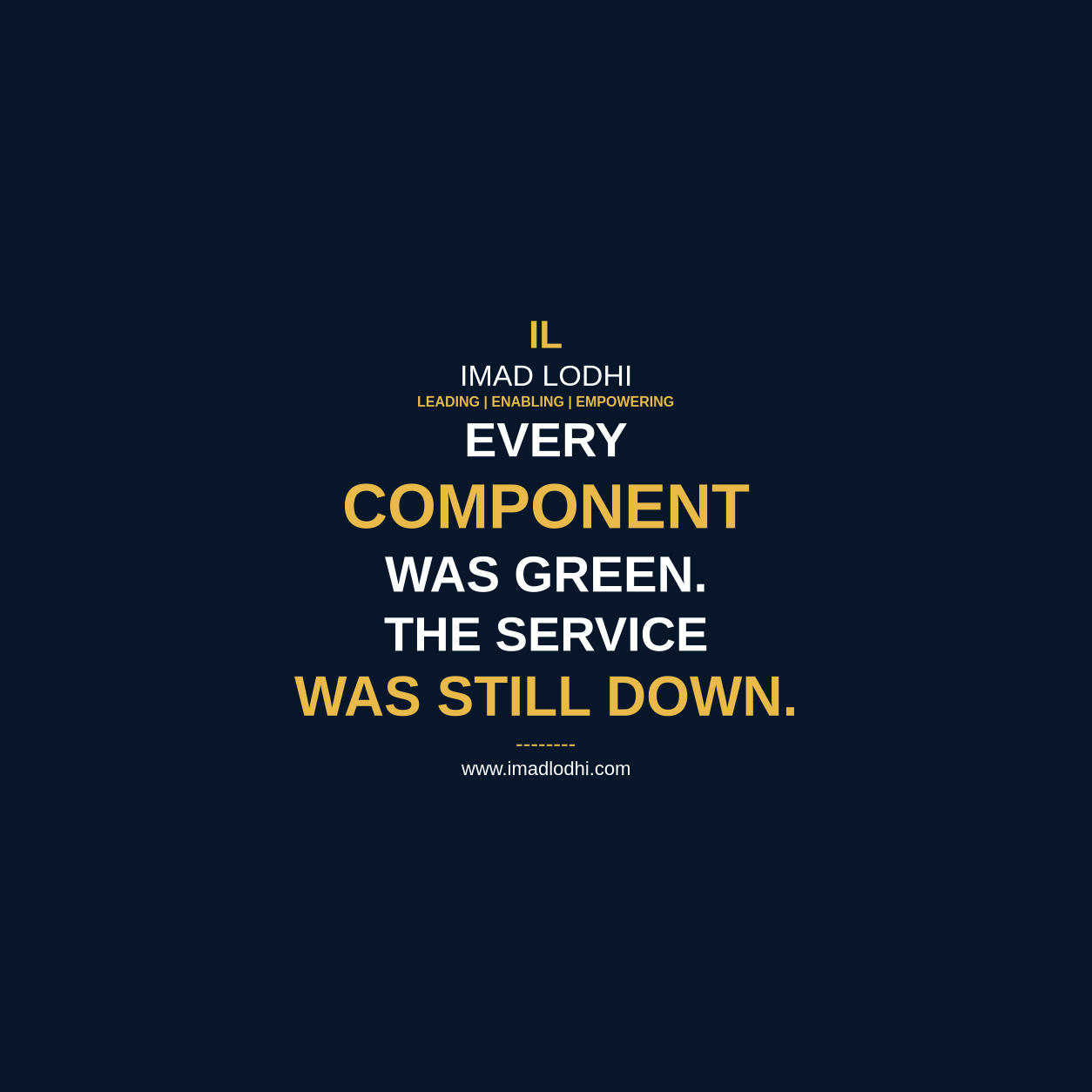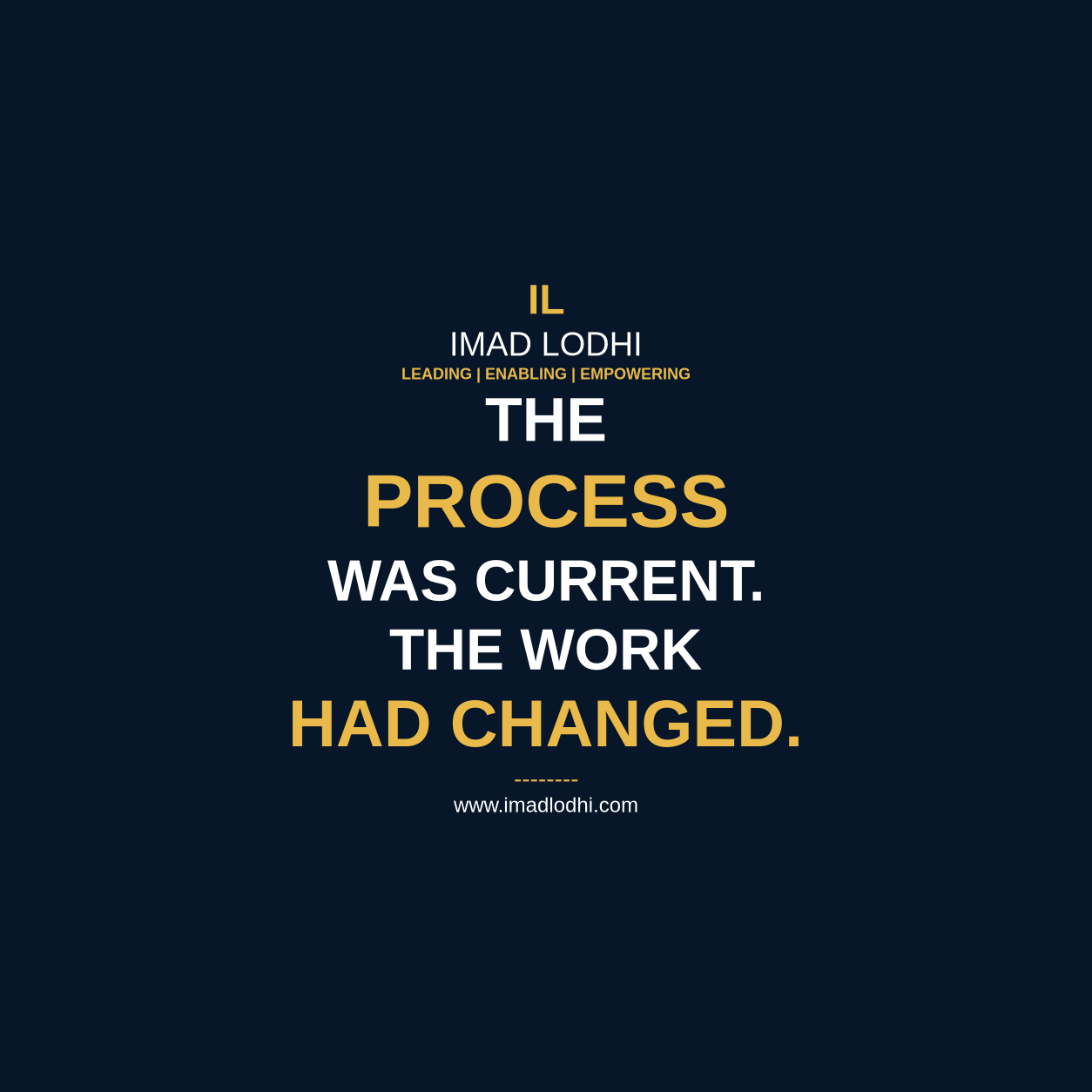
When one employee carries the system, both the person and service are exposed.
Every operation seems to have one.
The person everyone calls when the normal answer stops working.
They know which customer needs special handling, which report can be trusted, which workaround still works and who to contact when an issue crosses three teams and belongs to none of them.
When something becomes urgent, their name appears in the message thread before anyone has properly described the problem.
We usually call that person indispensable.
We mean it as praise.
I am not sure it is.
In complex operations, I have seen how quickly dependable people become part of the infrastructure. They solve the problem, remember the history, protect the customer and quietly compensate for gaps around them.
The work keeps moving, so the organization assumes the system is working.
Then they take a vacation.
Decisions slow down. Nobody is certain which version of the procedure is current. A customer commitment exists in somebody’s memory, but not in the report. Routine questions wait because the team has learned to ask one person instead of building shared capability.
The absence did not create the weakness.
It revealed it.
When one person becomes the operating model, reliability turns into dependency.
There is an employee-experience issue underneath this pattern.
The indispensable employee often receives recognition, access and increasingly important work. From the outside, that can look like trust and career growth.
From their side, it can feel very different.
They cannot switch off because the team may need them. Their vacation includes checking messages. Their development gets postponed because today’s operation depends on yesterday’s knowledge. Their competence earns them more exceptions, more interruptions and more invisible responsibility.
Meanwhile, everyone else receives a quieter message: the difficult work belongs to someone else.
That is not empowerment for the expert or enablement for the team.
It is concentrated dependency.
A strong employee should make the team more capable, not become the reason it cannot function without them.
The management response is not to diminish the person’s contribution. It is to stop consuming that contribution as a substitute for design.
Roles should make ownership and backup responsibility clear. Processes should capture the recurring decisions that currently live in one person’s head. Knowledge should be usable at the point of work, not buried in a document nobody trusts. Reporting should expose repeated escalations, manual interventions and work that always returns to the same individual.
And managers need to create room for knowledge transfer before an absence, resignation or emergency forces it.
The useful leadership question is not, “Who can always save us?”
It is, “What does this person know or do that the rest of the system has failed to absorb?”
That question changes recognition too.
Instead of rewarding permanent rescue, recognize the employee who strengthens the process, develops others, removes a recurring dependency and leaves the operation more capable than they found it.
The goal is not to make talented people less important.
It is to make their importance sustainable.
If your strongest employees are carrying roles, knowledge and exceptions that the operating environment should carry, The 7 Essential First-Line Management Systems explores the management architecture behind clearer ownership, reliable processes and shared capability: https://www.imadlodhi.com/flm1