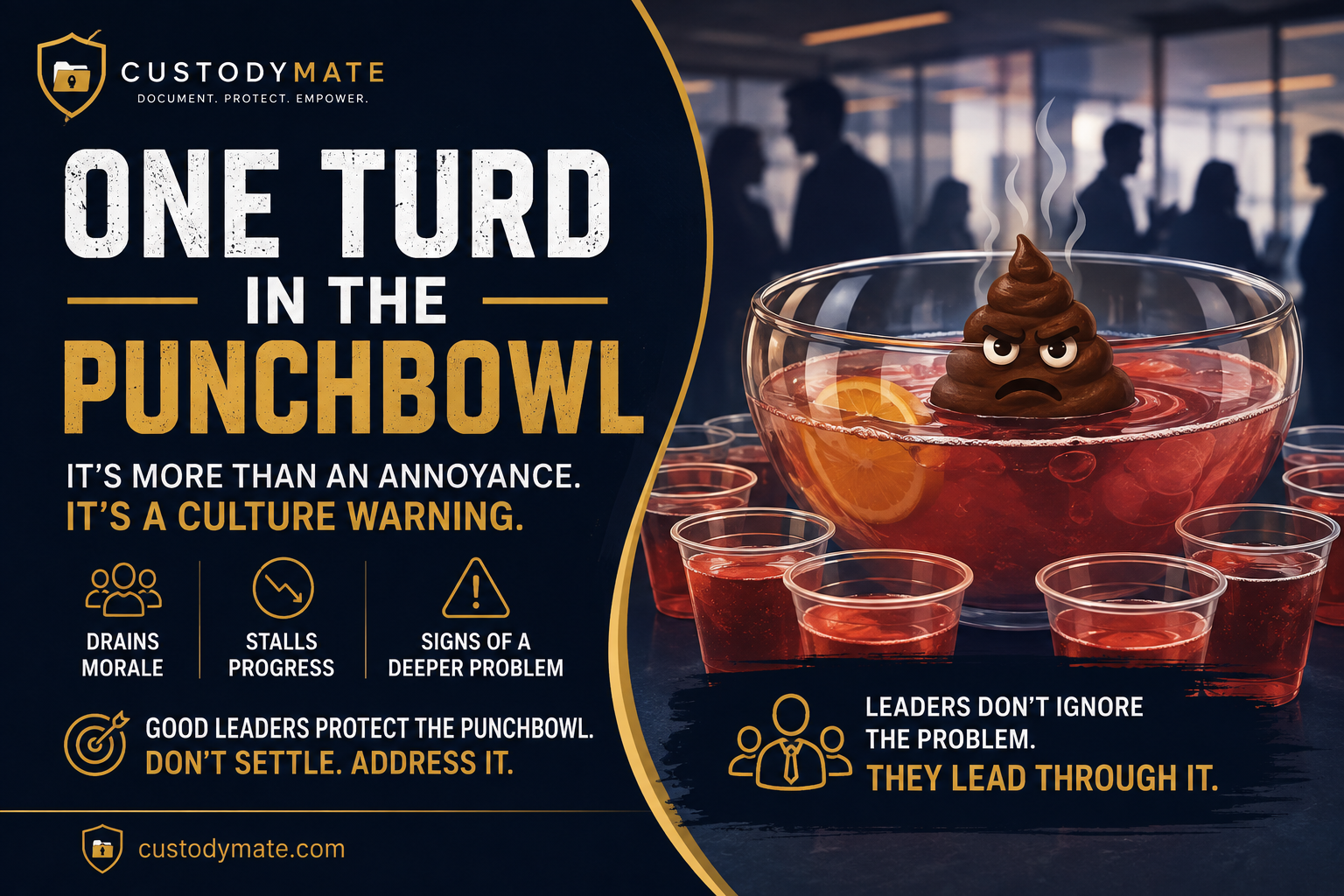
We’ve all heard it, right? Maybe you’re sitting in a meeting, things are going well, the project is humming along—and then *that one person* speaks up. Or maybe you're grabbing coffee after a long day, and someone sighs and says, "Well, there’s always one turd in the punchbowl."
It’s crude, it’s a little gross, and honestly, it’s one of those idioms that just sticks. But when you hear that in the workplace, it’s usually a signal that there’s something deeper going on than just one annoying coworker.
What’s really going on here?
When someone uses that line, they aren’t just complaining about a personality clash. They’re usually talking about a major drain on morale. It’s a sign of burnout. It means the team feels like they’re constantly fighting an uphill battle because one person is dragging down the energy, stalling progress, or just making life unnecessarily difficult.
It’s that moment where we realize that no matter how good the team or the vision is, one person can absolutely change the flavor of the entire experience.
Why we need to be careful
Here’s the thing—and this is what I always keep in mind: if we start letting that phrase become our default, we’re in trouble. It’s easy to get cynical. It’s easy to say, "Well, that’s just life, there’s always a 'turd' in every group."
But when we normalize that, we stop trying to fix the actual problem. We start labeling people rather than managing them. And suddenly, the whole team is bonding over how much they dislike that one person, which creates its own toxic little bubble. That’s not productivity—that’s just office drama.
"The danger isn't the one difficult person; the danger is the culture that decides to just 'deal with it' instead of addressing the behavior."
How do we handle it?
If you're a peer, it’s fine to vent for a minute, but try not to camp out there. Ask yourself: "Can we find a way to work around this to protect our progress?" Don't let someone else’s behavior dictate your output or your mood.
And if you’re a leader? Take it as a warning sign. When people start using metaphors like this, they’re telling you that the culture is under strain. Your job isn't to look for the "turd"—it's to figure out why the "punchbowl" isn't being protected. It’s time to have those direct, uncomfortable conversations, address the performance gap, and help the team get back to doing what they do best.
Bottom line? Don't settle for "that's just how it is." Your work environment deserves better than that.