Respect Is Not Agreement
A manager can disagree with you, challenge you, overrule you, and still respect you. Respect is demonstrated by whether your judgment, contribution, authority, dignity, and voice continue to matter—especially when what you are saying is inconvenient.
The warning signs usually appear as patterns. You are excluded from conversations affecting your responsibilities. Your expertise is requested but routinely ignored. People bypass you in your own area. You are accountable for outcomes without authority over the decisions required to produce them. Or colleagues repeatedly undermine you while management watches and does nothing.
Leadership silence is not neutral when someone is being undermined. It teaches the organization what behaviour is acceptable.
What Happens to Good Employees?
At first, engaged employees usually try harder. They explain more. Escalate risks. Offer solutions. Challenge poor decisions. Protect the team. They are still emotionally invested in the outcome.
But repeated exclusion, loss of autonomy, inconsistent accountability, and lack of psychological safety can push behaviour from contribution toward self-protection. Eventually the employee learns that speaking up changes nothing—or makes things worse.
The most dangerous employee is not always the angry one. It may be the capable employee who has stopped caring enough to disagree.
The IT Delivery Example
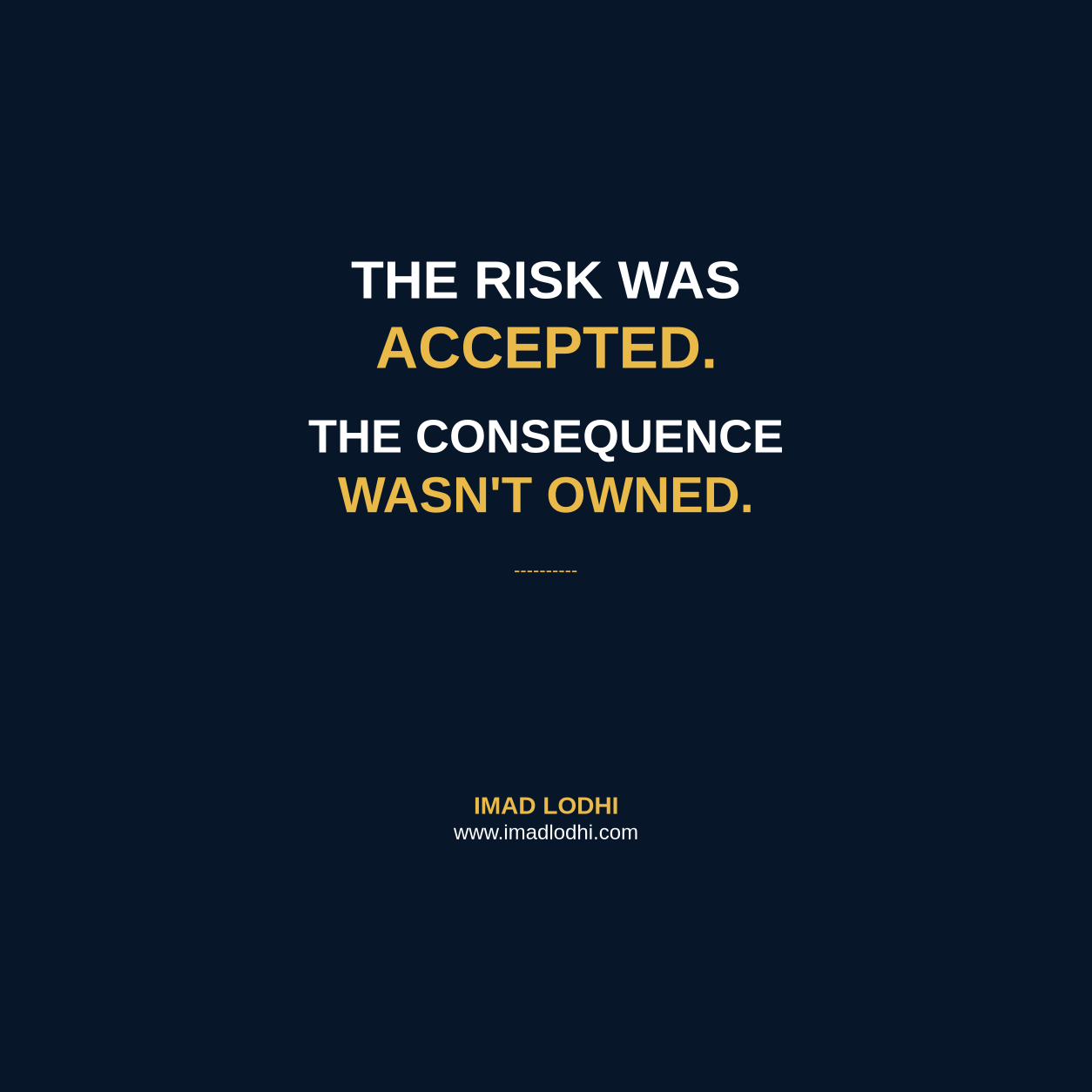
Imagine a Service Delivery Manager accountable for a struggling Service Desk. The manager identifies staffing gaps, weak knowledge management, poor queue discipline, and recurring escalations. Leadership wants the SLA fixed but rejects staffing changes, delays training, allows other teams to bypass the escalation model, and then challenges the manager when performance misses target.
The manager still owns the number. They just do not control the system producing it.
Eventually, instead of challenging unrealistic commitments, the manager simply reports the metrics. Instead of proposing improvements, they execute instructions. Leadership may interpret this as cooperation. In reality, it can be disengagement.
The Leadership Lesson
Respect is operational. Give people authority consistent with accountability. Defend legitimate roles and boundaries. Address undermining behaviour. Listen seriously to expertise. Explain decisions when recommendations are rejected. And create enough psychological safety that people can tell senior leaders what they do not want to hear.
Because when capable employees stop arguing with you, leadership should not automatically celebrate the newfound agreement.
Sometimes they have simply stopped believing their voice matters.
Key Takeaways
- Disagreement is not disrespect; repeated marginalization is.
- Accountability without authority damages credibility and engagement.
- Leadership tolerance of undermining behaviour legitimizes it.
- Psychological safety determines whether employees continue speaking up.
- Compliance can masquerade as engagement.
- The quiet employee may already be halfway out psychologically.