
Mindset & Behaviours
The Truth About What It Takes to be an Executive: It's More Than Just How You Look, Talk, Dress, and Behave
Although there are certain expectations for how a CEO should look, talk, and behave, it is also important to maintain your own personality and style. This can be a difficult balance to strike, but it is important to find what works for you as an individual.
Many people believe that they need to look, talk, dress, and behave in a certain way in order to be considered an executive.
This belief can lead to a number of negative consequences, such as feeling pressure to conform to certain societal expectations, feeling like they have to put on a facade in order to be successful, and feeling like they have to sacrifice their own authenticity in order to fit a certain mold.
It's important to remember that being an executive is about more than just outward appearances. It's about having the skills, knowledge, and leadership abilities necessary to effectively manage and lead a team. While it may be necessary to present oneself professionally in certain situations, it's ultimately more important to focus on developing and demonstrating one's abilities and character as a leader.
Every time my boys pass by my home office, I often tell them to pull up their pants, comb their hair, and tuck in the gold chain. As an Indian parent, I am always worried about what others will think. Especially since they have their own businesses, I keep thinking they need to have the "Clark Kent" look to be respected as businessmen.
But then I have to remind myself, they make more than 7-8x my 23+ year IBM Salary. So if what they are doing is working for them, who am I to tell them otherwise?
Could it be my own insecurity of not being invited to the "table"? I've always felt like I was on the outside looking in. Even though I have extensive global experience and am highly sought after, I always felt like I was not good enough because I was never invited to the events. I didn't dress the same. I didn't drive expensive cars. I didn't have a big home. I didn't have an expensive watch. Maybe that's why I'm so critical of my boys. Maybe it's because I want them to be someone they're not.
So how should CEOs and Executives look, behave, communicate, dress, etc.?
New emerging CEOs and Executives don't appear to fit the traditional mould. Although there are certain expectations for how a CEO/Executive should look, talk, and behave, it is also important to maintain your own personality and style. This can be a difficult balance to strike, on one hand you want that seat at the table and you the respect that the role commands, but on the other hand you want to maintain your own individuality. It is important to find what works for you as an individual.
Ultimately, becoming a successful CEO/Executive and maintaining a level of respect requires a combination of hard work, dedication, and understanding the expectations of those in this role. With these tips in mind, you should be well on your way to achieving success as a CEO/Executive.
What is a CEO/Executive, and what are the responsibilities of one?
The Chief Executive Officer (CEO) is the highest-ranking executive in a company, and their primary responsibility is to make decisions that will help the company succeed. This means that they need to clearly understand the company's goals and objectives, as well as the industry in which it operates. In addition, CEOs must be able to communicate effectively with other executive team members, shareholders, and employees. They also need to be able to make tough decisions quickly and efficiently. Ultimately, a company's success depends largely on its CEO's ability to make smart decisions and lead the company in the right direction.
How should a CEO/Executive look - what should they wear to exude authority and confidence?
A CEO is the face of a company, so it is important for them to present a professional image that exudes authority and confidence. While there is no one-size-fits-all answer to what a CEO should wear, some general guidelines can help create a winning look. For example, dark colours are often seen as more authoritative than light colours, so a suit in a navy or charcoal grey would be a good choice. Tailored clothing can also help to convey an aura of power and control, so it is important to ensure that clothes fit well and are not too baggy or shapeless. Furthermore, it is generally advisable to avoid wearing anything too trend-focused or flashy, as this can come across as unprofessional. By taking care of their appearance, a CEO can ensure that they project the right image to both internal and external audiences.
How should a CEO/Executive talk - how can they ensure their voice is heard and commands respect?
As the head of a company, a CEO has many responsibilities. One of the most important is communicating with employees, shareholders, and the public. In order to be an effective communicator, a CEO must use both verbal and nonverbal communication. When speaking, a CEO should use clear and concise language. They should also project confidence and authority. body language is also important; a CEO should maintain eye contact and avoid fidgeting. By using these techniques, a CEO can ensure that their voice is heard and commands respect.
How should a CEO/Executive behave - here, we'll discuss etiquette, manners, and leadership skills
Every CEO/Executive has their own unique style, but there are certain behaviours that are universally expected of the leader of a company. First and foremost, a CEO/Executive must be a strong leader who is able to inspire and motivate their team. They must also be able to make difficult decisions and be unafraid to take risks. Furthermore, a CEO/Executive must be able to effectively communicate with all members of their organization and the outside world. They must be articulate and confident in both written and verbal communication. Additionally, a CEO/Executive must always maintain the highest standards of integrity and professionalism. They should be respectful and courteous to all and set the tone for how employees should behave. Finally, a CEO should always be looking for ways to improve the company and be passionate about its success. By exhibiting these qualities, a CEO/Executive can ensure that their company is successful and thriving.
Do you need to look, talk, dress, and behave in a certain way to be considered a CEO/Executive - or is there more to it than that?
There is no single mould that all CEO/Executives must fit into, but certain qualities and characteristics are commonly associated with successful leaders in the business world. For example, many CEO/Executives are excellent communicators and have the ability to inspire those around them. They are also often strategic thinkers who are able to make quick decisions and adapt to a rapidly changing landscape. However, it is important to remember that not all CEO/Executives possess all of these qualities. While some may be naturally gifted communicators, others may have to work hard to hone their skills. The most important thing is that CEO/Executives possess the drive and determination to lead their companies to success.
How can you become a successful CEO/Executive - advice from business professionals
Becoming a successful CEO/Executive requires a mix of hard work, dedication, and natural talent. However, there are a few key tips that can help you become a top executive. First, it's important to develop a strong work ethic. CEO/Executives are often required to put in long hours and make tough decisions. Second, you need to be able to communicate effectively with people at all levels of an organization. As a CEO/Executive, you'll be responsible for conveying your vision to employees, shareholders, and customers. Finally, it's essential to have the ability to think strategically. A successful CEO/Executive is always looking ahead and planning for the future. By following these tips, you can set yourself on the path to becoming a successful CEO/Executive.
Although there are certain expectations for how a CEO/Executive should look, talk, and behave, it is also important to maintain your own personality and style. This can be a difficult balance to strike, but it is important to find what works for you as an individual. Ultimately, becoming a successful CEO/Executive requires a combination of hard work, dedication, and understanding the expectations of those in this role. With these tips in mind, you should be well on your way to achieving success as a CEO/Executive.
Welcome to my blog! If you want to learn more be sure to subscribe to my blog. By subscribing, you'll receive updates whenever I post new content, as well as access to exclusive resources and tips. Whether you're struggling with negative thoughts, dealing with difficult circumstances, or just looking for ways to grow and improve as an individual, my blog has something for everyone. So don't wait – subscribe today and start learning more about how to overcome the challenges in your life. https://www.imadlodhi.com/subscribe

Mindset & Behaviours
Don't Ignore These Warning Signs: Common Symptoms of a Parasympathetic System Failure
In order for the body to function properly, the nervous system must maintain a delicate balance between the sympathetic and parasympathetic systems. The sympathetic system is responsible for the "fight or flight" response, while the parasympathetic system helps to promote rest and digest. When the balance between these two systems is disrupted, it can lead to a number of health problems.
A parasympathetic system failure can cause a variety of symptoms.
These symptoms can range from mild to severe, and can affect different parts of the body. They may include fatigue, dizziness, weakness, and difficulty breathing. In some cases, a parasympathetic system failure can lead to more serious complications, such as heart problems or organ damage.
If you are experiencing symptoms of a parasympathetic system failure, it is important to seek medical attention as soon as possible. Your doctor will be able to diagnose the problem and recommend treatment options, which may include medications, lifestyle changes, or other therapies. By addressing the issue early, you can help prevent further complications and improve your overall health.
What is the parasympathetic system and what does it do for the body
The parasympathetic nervous system is one of two parts of the autonomic nervous system, which controls unconscious body processes like heart rate, digestion, and respiration. The parasympathetic nervous system generally acts to counteract the effects of the sympathetic nervous system, which is responsible for the "fight-or-flight" response. This means that the parasympathetic nervous system slows heart rate, increases digestion, and promotes rest and relaxation. It does this by stimulating the release of hormones like acetylcholine. The parasympathetic nervous system can be activated in a number of ways, including through meditation and yoga. In addition to its restorative effects on the body, the parasympathetic nervous system also plays an important role in maintaining homeostasis, or balance, within the body.
What are some common symptoms of a parasympathetic system failure
The symptoms of a parasympathetic system failure can vary depending on the underlying cause. However, some common symptoms include fatigue, lightheadedness, shortness of breath, and chest pain. Additionally, patients may also experience heart palpitations, nausea, and vomiting. If left untreated, a parasympathetic system failure can lead to serious complications, such as cardiac arrest or an arrhythmia. Therefore, it is important to seek medical attention if you experience any of the aforementioned symptoms. Early diagnosis and treatment of a parasympathetic system failure can help to prevent serious health complications.
How can you tell if your parasympathetic system is not working properly
The parasympathetic nervous system is responsible for a number of important functions, including regulating heart rate and blood pressure, digesting food, and promoting tissue repair. When this system is not working properly, it can lead to a number of problems, including digestive issues, trouble sleeping, and fatigue. In some cases, an imbalance in the parasympathetic nervous system can also contribute to anxiety and depression. If you are concerned that your parasympathetic nervous system is not functioning properly, it is important to speak to a doctor or other healthcare professional. They will be able to order tests to check for any underlying medical conditions that may be causing the problem.
What are some possible causes of a failed parasympathetic system
Parasympathetic nervous system dysfunction can be caused by a variety of factors. In some cases, it may be due to an underlying medical condition such as diabetes, Alzheimer's disease, or Parkinson's disease. Additionally, damage to the nervous system caused by trauma or surgery can also lead to parasympathetic nervous system dysfunction. In other cases, the cause may be unknown. However, some experts believe that stress and anxiety may play a role in the development of this condition. Treatment for parasympathetic nervous system dysfunction typically focuses on managing symptoms. In some cases, medications may be prescribed to help relieve symptoms. Additionally, lifestyle changes such as relaxation techniques and stress management may be recommended.
How is a failed parasympathetic system treated
A failed parasympathetic system is treated by first correcting the underlying cause. If the cause is an infection, then antibiotics will be prescribed. If the cause is a blockage, then surgery may be necessary to remove the blockage. Once the underlying cause has been corrected, medication may be necessary to help regulate the nervous system. In some cases, a pacemaker may be needed to help control the heartbeat. In severe cases, a ventilator may be required to help with breathing. The goal of treatment is to correct the underlying problem and then to help the body function as normally as possible.
What are the potential long-term effects of a failed parasympathetic system
In order for the body to function properly, the nervous system must maintain a delicate balance between the sympathetic and parasympathetic systems. The sympathetic system is responsible for the "fight or flight" response, while the parasympathetic system helps to promote rest and digest. When the balance between these two systems is disrupted, it can lead to a number of health problems.
One of the most common effects of a failed parasympathetic system is an increased heart rate. This can be caused by a number of factors, including stress, anxiety, and even strenuous exercise. If left unchecked, an increased heart rate can lead to serious cardiovascular problems, such as heart attacks and stroke. Other potential effects of a failed parasympathetic system include trouble breathing, difficulty swallowing, and gastrointestinal issues. In extreme cases, it can even lead to paralysis. While these effects may not be immediately apparent, they can have a significant impact on one's health over time. As such, it is important to seek medical help if you believe that your parasympathetic system is not functioning properly.
If you experience any of the symptoms listed above, it is important to seek professional help as soon as possible. In addition, talking to people who have gone through similar experiences can be helpful in managing your condition and understanding what to expect.
Don't miss out on the latest updates and insights from my blog! Subscribe now to stay informed and learn more about [topic of blog]. Simply visit https://www.imadlodhi.com/subscribe and enter your email to start receiving notifications of new posts. Don't wait – subscribe today!

Organization & Management
The Trouble With Unearned Promotions
Employees who are promoted without having earned it can do a great deal of damage to morale within a company. Not only does it set a precedent that promotions aren't based on merit, but it also undermines the authority of those in management roles.
Unearned promotions can lead to negative consequences for both the individual who received the promotion and the company as a whole.
Unearned promotions can create resentment among coworkers who feel that they were passed over for the promotion. It can also lead to the promotion recipient being unprepared for the new role, resulting in poor performance and potentially harming the company's bottom line. In addition, unearned promotions can damage the company's reputation and make it difficult to retain top talent.
To address the problem of unearned promotions, companies can implement clear promotion criteria and a transparent promotion process. This can include setting specific performance goals and regularly evaluating employee performance against those goals. Training and development programs can also be put in place to help prepare employees for promotions and ensure that they have the skills and knowledge necessary to succeed in their new roles. Additionally, companies can establish a system for soliciting feedback from coworkers and evaluating an employee's overall contributions to the team and the company. By taking these steps, companies can ensure that promotions are earned and that employees are prepared to take on new responsibilities, ultimately leading to better outcomes for both the individual and the company.
It's no secret that unearned promotions are a problem in the world of business. But what may be less known is the fact that these promotions can have a serious impact on management roles and their credibility. In this article, we'll explore the consequences of unearned promotions and how they can damage both individual careers and entire companies. We'll also discuss strategies for earning promotions the right way, and what to do when you don't deserve your promotion. Whether you're an aspiring manager who wants to climb the corporate ladder or a seasoned professional looking to maintain your credibility in a changing workplace, this article is for you. So read on to learn more about why management roles are losing their credibility, and how you can help rebuild it.
Imagine in the 360 feedback you receive, you are told you are a horrible people manager and you acknowledge it. Imagine you are told, you lack management and governance skills to run the business and you acknowledge it. Imagine you are told you are not a leader and you accept it.
The only reason business continues to grow is because even in the absence of leadership, the team finds ways to unite and get the job done.
Now senior management, knowing all the items above, pushes you forward to the executive team for a promotion. Why? Because there are some promotion tickets available and if they don't get it, the tickets will go to another department.
Will you accept the promotion of Senior Title, Higher Level, and Increased Pay? Of Course you will.
Will you continue to be a poor manager and leader - Yes. Will your team suffer - Yes. But will they get the job done somehow - Possibly.
The problem with unearned promotions
Unearned promotions are those in which an employee is moved up to a position that they have not yet proven themselves qualified for. This can be a problem for a number of reasons. First, it can lead to feelings of resentment among coworkers who feel that they have worked hard and deserve the promotion more. Second, it can put the newly promoted employee in a position where they are in over their head and struggling to perform. Lastly, unearned promotions can send the message that seniority is more important than merit, which can lead to a decrease in morale and motivation. Ultimately, unearned promotions can create more problems than they solve, and should be avoided whenever possible.
The impact of unearned promotions on management roles
When an individual is promoted to a management role without having to earn it through years of experience or extensive training, it can have a significant impact on the workplace. Not only will the new manager be ill-prepared to handle the challenges of the role, but they will also likely be met with resentment from their subordinates. In some cases, this can lead to a highly dysfunctional work environment and ultimately, a lack of productivity. To avoid these negative consequences, it is important for businesses to promote individuals based on their qualifications and not simply on their seniority. By doing so, they can ensure that their managers are prepared to lead and that their employees are motivated to perform at their best.
How to earn a promotion the right way
In any workplace, earning a promotion is a process that should be approached with thought and care. First, it's important to assess your qualifications and tailor your application to the specific requirements of the role you're interested in. Then, it's time to start building relationships with the decision-makers. Get to know your boss and other key stakeholders, and take the time to learn about their goals and objectives. When the time is right, have a candid conversation about your interest in a promotion and how you can help them achieve their goals. Finally, be prepared to back up your case with concrete evidence of your successes. By taking the time to position yourself as a qualified and valuable asset to the organization, you'll increase your chances of landing that promotion.
The benefits of earning a promotion the right way
Being promoted is one of the most rewarding things that can happen at work. Not only does it come with a new set of responsibilities, but it also typically comes with a pay raise. However, promotions don't just happen - they have to be earned. Here are four benefits of earning a promotion the right way:
1. It shows that you are willing to put in the extra work.
2. It demonstrates your commitment to your job and your company.
3. It gives you a chance to prove yourself and your skills.
4. It sets you up for future success.
Earning a promotion is not always easy, but it is always worth it. If you are willing to put in the extra work, it will pay off in the end. Not only will you be rewarded with a pay raise and new responsibilities, but you will also have the satisfaction of knowing that you earned it fair and square.
Examples of earned promotions
An earned promotion is a title or position that is given to an employee as a result of their hard work and dedication. There are many different ways to earn a promotion, but some common examples include going above and beyond the call of duty, being a top performer, or demonstrating exceptional leadership skills. no matter how big or small, an earned promotion is always an impressive accomplishment. Not only does it show that you are capable of meeting challenges, but it also demonstrates your commitment to your job and your willingness to go the extra mile. As such, an earned promotion can be a great way to further your career and take on new responsibilities.
Employees who are promoted without having earned it can do a great deal of damage to morale within a company. Not only does it set a precedent that promotions aren't based on merit, but it also undermines the authority of those in management roles. If you're looking to earn a promotion, be sure to put in the extra effort and show results. The benefits - both for yourself and your team - will be well worth it in the end. What are some examples of unearned promotions that you've seen during your career? How did they impact the company?
If you want to learn more about how to be an effective manager, pick up the e-book at: The Guiding Principles of Management: The 7 Essential First Line Management Systems - https://www.imadlodhi.com/product/the-guiding-principles-of-management-the-7-essential-first-line-management-systems
Subscribe To My Blog To Learn More: https://www.imadlodhi.com/subscribe

Divorce
Custodymate: Why Do Men Work Long And Hard Hours For The Family, Only To Find That When They Come Home, The Mailman Has Replaced Them
It's been a long day at work and all you want to do is go home and relax, but when you get there, your wife or girlfriend tells you that you have already been replaced by the mailman. It's no wonder that so many men feel like they're working long and hard hours only to come home and find that they're not needed anymore. Unfortunately, this is a reality for many men these days.
It's been a long day at work and all you want to do is go home and relax, but when you get there, your wife or girlfriend tells you that you have already been replaced by the mailman. It's no wonder that so many men feel like they're working long and hard hours only to come home and find that they're not needed anymore. Unfortunately, this is a reality for many men these days.
The societal pressures that make men feel like they need to work long hours
Society puts a lot of pressure on men to be the breadwinners. They're expected to work long hours and make a lot of money. This pressure can be very stressful, and it can sometimes lead to men feeling like they have to sacrifice their personal lives in order to succeed professionally. This is a problem that needs to be addressed. Men should be able to have successful careers without having to sacrifice their personal lives. We need to change the way we think about success, and we need to value work-life balance. Otherwise, we'll continue to see men working themselves into the ground, and we'll continue to see families falling apart.How those long hours can take a toll on their relationships with their wives and families
For many years, the trucking industry has relied on drivers who are willing to work long hours for relatively low pay. While this may be good for the bottom line of trucking companies, it can take a toll on the drivers themselves. Working long hours away from home can lead to isolation, fatigue, and stress, which can all take a toll on relationships with wives and families. In addition, the constant travel can make it difficult to maintain friendships and social ties. As a result, many trucking jobs come with a high price tag that is paid by the drivers themselves. It is important to remember that these drivers are not just faceless cogs in a machine; they are people with families and lives outside of work. When considering the long hours required by many trucking jobs, it is important to weigh the costs and benefits carefully. Otherwise, the human cost of these jobs may be too high to justify.
The dangers of working too much and not spending enough time at home
Let me tell you a story about a man I knew who worked too much and didn't spend enough time at home. He was always tired, always stressed, and always chasing his tail. His wife and kids were always asking for his attention, but he was never able to give them the time they needed. Eventually, his marriage fell apart, and he lost custody of his kids. He was devastated. I'm not saying that this will happen to everyone who works too much, but it is a real danger. When you're constantly working, you're not just putting your job at risk - you're putting your entire life at risk. So please, if you're reading this and you're someone who works too much, take some time for yourself and for your loved ones. They'll appreciate it more than you know. Thanks for listening.
Ways for men to find a better work-life balance
Most men are brought up with the idea that work is the most important thing in life. While it's important to provide for oneself and one's family, work should not be the only focus. A healthy work-life balance is essential for both physical and mental well-being. There are several things men can do to find a better balance between work and the rest of their lives. First, it's important to set realistic goals and priorities. Work should not be the only priority, and it's important to make time for family, friends, and hobbies. Second, it's important to learn to say no. If work demands are constantly encroaching on personal time, it's important to set boundaries and make it clear that work is not the only thing in life. Finally, it's important to take regular breaks and vacations. When work demands become too much, it's important to take some time off to relax and rejuvenate. By following these tips, men can find a better balance between work and the rest of their lives.
The importance of family time and how it can benefit both the individual and the family as a whole
Family time is one of the most important things you can do for your loved ones. It provides a chance to reconnect with one another and strengthen the bonds that hold you together. In today's fast-paced world, it can be easy to get caught up in the hustle and bustle and forget to make time for the people who matter most. But taking even just an hour out of your day to spend with your family can have a profound impact on both your individual wellbeing and the health of your relationships. Family time gives you an opportunity to slow down and enjoy each other's company. It allows you to share experiences, create new memories, and simply just be present in the moment. In a world that is often chaotic and stressful, family time can provide a much-needed sense of stability and peace. So make it a priority to carve out some time for your loved ones - they'll appreciate it now and for years to come.
Men, it is time to take a stand against the societal norm that expects us to work long hours. We need to find a better balance between our work life and home life in order to be happy and healthy. Our wives and families need us at home, not working all the time. By taking the time to spend with our loved ones, we can improve our relationships and ourselves. So men, next time you are considering working late or skipping out on family dinner, remember what is truly important in life: your wife and kids. They deserve your attention and love just as much as your job does.
If you're going through a divorce or legal separation and are struggling to resolve custody-related matters, The CustodyMate Ecosystem can help you. The Website contains a great deal of information, along with a robust Blog that has hundreds of articles on everything related to divorce and separation, a Forum where you can interact with others going through the same process, a Knowledge Center where you can search for resources, and a robust Web and Mobile Application that will assist you as you navigate the divorce and separation process.
https://custodymate.com/signup.php
With The CustodyMate Ecosystem, you'll have all the information you need in one place so you can make informed decisions about what's best for your family. And because The CustodyMate Ecosystem is available 24/7, you can access it anytime, anywhere. So if you're looking for a way to keep track of your custody situation, The CustodyMate Ecosystem is the perfect solution.

Divorce
Custodymate: Divorce Can Suck. But Don't Let It Suck The Life Out Of You Too! With 50% Of All Marriages Failing, You Need To Protect Yourself!
If you are currently going through a divorce, or have recently gone through one, it is important to take care of yourself both professionally and personally. Many people let the stress of a pending or recent divorce ruin their work life and personal relationships, but by following the tips in this blog post, you can avoid that trap.
Imagine you are in a client meeting and all of a sudden you start crying. How do you think you will be viewed by your client and colleagues? Or imagine you are so hopped up on anti-depressants and anti-anxiety medications that you feel absolutely nothing.
The toll an ongoing divorce can take on your personal and professional life can be devastating. Being a divorced person is not easy, but it also does not have to be dreadful! There are many ways that you can cope with the stress and anxiety brought on by divorce. You can find support groups to help you deal with the negative emotions associated with your failed relationship. There are also self-help books and other resources that you can use to work through your problems and come out a better person than before!
Don't let divorce suck the life out of you too! With 50% of all marriages failing, you NEED to protect yourself!
The toll an ongoing divorce can take on your professional life
Going through a divorce is tough enough, but when it drags on for months or even years, it can start to take a toll on every aspect of your life—including your career. The stress of an ongoing divorce can make it difficult to focus at work, leading to lower productivity and increased absences. In addition, the financial strain of a divorce can lead to financial problems that affect your job performance. And if you have to deal with custody issues, you may have to miss work or leave early on a regular basis. The good news is that there are ways to minimize the impact of a divorce on your professional life. For example, you can try to keep your personal and professional life separate as much as possible, and you can seek out support from family and friends. With a little effort, you can keep your career on track during this difficult time.
How to manage your professional appearance and behavior during a divorce
Divorce is a difficult and stressful time for everyone involved. One way to help manage the stress of a divorce is to maintain a professional appearance and behavior. This means dressing appropriately for work, being polite to co-workers, and avoiding gossip. It is also important to keep your personal life private. This means refraining from talking about your divorce at work, and being respectful of your ex-spouse's privacy. In addition, it is important to focus on your work and avoid letting your personal life affect your job performance. By maintaining a professional appearance and behavior during a divorce, you can help to minimize the impact of the divorce on your work life.
Tips for staying focused and productive at work during a divorce
It is no secret that divorce can be a emotionally tumultuous time. You may find yourself feeling angry, isolated, and anxious, which can make it difficult to focus on work. However, it is important to remember that your job is a crucial source of stability during this time of transition. Here are some tips for staying focused and productive at work during a divorce:
First, try to create a routine and stick to it as much as possible. Getting up at the same time each day, taking regular breaks, and eating healthy meals will help to keep your energy levels up.
Second, stay connected with your co-workers and build a support system at work. These relationships can provide a much-needed sense of connection and community during a difficult time.
Third, take care of yourself both physically and emotionally. Don't hesitate to reach out for help if you are struggling to cope with the stresses of divorce. Taking care of yourself will ultimately make it easier to stay focused and productive at work.
How to deal with the stress of a pending or recent divorce
No one getting divorced anticipates feeling anything other than grief, sadness, anger, and stress. And while it is natural to feel all of those emotions, it is important to find ways to deal with the stress in positive and healthy ways. If you don't, the stress can quickly lead to anxiety and depression. To avoid that, here are four tips for dealing with the stress of divorce:
1. Seek counseling or therapy. Talking to a professional can help you work through your emotions and develop coping mechanisms for dealing with stress.
2. Join a support group. There are many groups available for people going through divorce. This can be a great way to meet others in similar situations and share experiences and advice.
3. Get active. Exercise is a great way to reduce stress levels. It releases endorphins that improve mood and helps to take your mind off of your troubles.
4. Make time for yourself. During this difficult time, it is important to make sure you are taking care of yourself both physically and emotionally. Make sure to schedule some time each week to do something you enjoy, whether it's reading, going for walks, or taking a yoga class.
Strategies for maintaining healthy personal and professional relationships during a divorce
Divorce is often seen as a negative experience, but it doesn't have to be. With the right approach, divorced couples can maintain healthy personal and professional relationships. One key strategy is to keep communication open. If there are disagreements, try to discuss them calmly and respectfully. It's also important to be flexible and willing to compromise. If both parties are able to work together, it will be easier to make decisions that are in the best interest of everyone involved. Another important strategy is to set boundaries. It's important to remember that just because you're going through a divorce, you don't have to share everything with your ex-partner. If there are certain topics that are too difficult to discuss, it's OK to avoid them. Lastly, it's important to take care of yourself both physically and emotionally. This means eating well, getting enough sleep, and exercise. Taking care of yourself will help you deal with the stress of divorce and remain in control of your emotions. By following these strategies, divorced couples can maintain healthy personal and professional relationships.
If you are currently going through a divorce, or have recently gone through one, it is important to take care of yourself both professionally and personally. Many people let the stress of a pending or recent divorce ruin their work life and personal relationships, but by following the tips in this blog post, you can avoid that trap. Don't let your divorce suck the life out of you - protect yourself!
If you're going through a divorce or legal separation and are struggling to resolve custody-related matters, The CustodyMate Ecosystem can help you. The Website contains a great deal of information, along with a robust Blog that has hundreds of articles on everything related to divorce and separation, a Forum where you can interact with others going through the same process, a Knowledge Center where you can search for resources, and a robust Web and Mobile Application that will assist you as you navigate the divorce and separation process.
https://custodymate.com/signup.php
With The CustodyMate Ecosystem, you'll have all the information you need in one place so you can make informed decisions about what's best for your family. And because The CustodyMate Ecosystem is available 24/7, you can access it anytime, anywhere. So if you're looking for a way to keep track of your custody situation, The CustodyMate Ecosystem is the perfect solution.

Contact Center
Contact Center Rescue Series: How To Manage Remote Agents/Workers
Working from home has become more and more popular in recent years. With advances in technology, it's now easier than ever for employees to work remotely. While this arrangement has many benefits, it also poses some challenges for managers.
Managing remote workers in the contact center can present a number of challenges that can impact the overall efficiency and productivity of the team.
These challenges include lack of in-person supervision and communication, difficulty in ensuring access to necessary equipment and technology, time zone differences, and difficulties in setting and enforcing clear expectations. These issues can lead to a feeling of isolation among remote workers, which can impact their motivation and morale.
To effectively manage remote workers in the contact center, companies can implement a number of strategies. These can include: 1-Providing regular check-ins and communication channels to help remote workers feel connected and supported. 2-Ensuring that remote workers have access to the necessary equipment and technology, including providing necessary hardware and software and providing support for internet connectivity issues. 3-Developing clear policies and procedures for remote work, including setting expectations for availability and communication. 4-Providing training and support for remote workers to help them adapt to working from home and effectively perform their tasks.
Remote work has become increasingly popular in the contact center industry, as it allows for flexibility and cost savings for companies. However, managing remote workers in the contact center can present a number of challenges that can impact the overall efficiency and productivity of the team. One issue is the lack of in-person supervision and communication, which can make it difficult for managers to monitor and support their remote workers. This can lead to a feeling of isolation among remote workers, which can impact their motivation and morale. Another issue is the difficulty in ensuring that remote workers have the necessary equipment and technology to perform their tasks effectively. This can include issues with internet connectivity, inadequate hardware, or a lack of access to the necessary tools and software. Additionally, time zone differences can make it difficult for managers to coordinate and communicate with their remote workers, and there may be challenges in setting and enforcing clear expectations for remote work.
Overall, managing remote workers in the contact center requires a different approach and strategy than managing a traditional, in-office team, and finding effective solutions to these challenges is crucial for the success of the team and the company.
Define remote work and telecommuting
Remote work and telecommuting have revolutionized the way we do business today. By eliminating the need to commute, these practices enable individuals to optimize their productivity by performing their jobs from home or other remote locations. More and more companies are beginning to embrace this form of distributed labour in an effort to reduce costs associated with employees working in physical offices. Working remotely offers greater flexibility as well as a better work-life balance for those who cannot make it into a traditional office environment due to personal or lifestyle reasons. Ultimately, transitioning away from traditional 9-5 office spaces allows us to remain competitive in an ever-growing global marketplace while providing valuable benefits to our workforce.
The challenges of working remotely
Working remotely certainly has its advantages, but as with everything, it brings a corresponding set of challenges that must be addressed by employees and employers alike. Two of the main issues include managing distractions while working from home and staying up to date with colleagues who are still in the physical workplace. Distractions can range from the notifications on your phone to the desire to attend to household chores that may occur when transitioning into remote work. This is why creating a designated workspace for yourself and never hesitating to mute your camera during meetings can be essential for productivity. As for staying connected with colleagues in-person, this could take many forms, such as video conferencing or regularly collaborating via document-sharing tools. Communicating regularly also helps set expectations and strengthens professional relationships across virtual geographies. Ultimately, with simple strategies and conscious effort, everyone can successfully navigate the unique trials of remote work.
The benefits of working remotely
Working remotely has so many benefits that are worth exploring; first and foremost, it allows greater work-life balance. Working remotely gives individuals more flexibility in choosing when and where they work, giving them more control over boundaries between their professional and personal lives. And that is just the beginning – research shows that people who work remotely are often more productive due to fewer interruptions from colleagues and a better ability to focus. It also helps with curbing employee stress since people can take breaks when needed or avoid travel stress during their daily commutes. Finally, working remotely is beneficial for businesses since it lowers overhead costs related to office space or commuting expenses for employees. Ultimately, remote work creates a win-win situation for both employers and employees - so let's embrace it!
How managers have to manage remote employees differently
As managers, we are tasked with the difficult challenge of leading a successful team - whether that is in a physical workplace or across multiple remote locations. With an increased reliance on telecommuting and digital workplaces, many organizations have had to figure out how to effectively manage their remote employees while still providing them with equitable job satisfaction and growth opportunities. This requires an approach that integrates thoughtful communication, a structured workflow and ambitious support programs, which should be tailored to ensure each employee feels connected yet empowered. As managers, it is our responsibility to ensure that the solutions we develop truly benefit those they affect both now and in the future.
Tips for those who are thinking about working remotely
Working remotely can be a great opportunity for many of us. It allows for flexible scheduling and a chance to better balance our professional and personal lives. Here are a few tips to keep in mind if you're considering taking the plunge into remote work. First, you will need a reliable internet connection, so make sure you have that set up before diving into any remote opportunities. Secondly, find ways to stay focused and organized despite the lack of an office setup - this could include creating lists of tasks or setting particular work habits for yourself that will ensure your productivity. Finally, ensure that your work environment at home is not only comfortable but also conducive to productive work habits - good posture and minimal distractions should be on top of the priority list! With consistent hard work, these tips should help in navigating through life as a remote worker!
Conclusion paragraph: Although there are some challenges to working remotely, the benefits often outweigh them. Managers have to manage their remote employees differently, but with the right tools and strategies in place, it can be a successful arrangement for everyone involved. If you’re thinking about working remotely, be sure to subscribe so you can learn more from our team of experts about how to make the most of this work arrangement. Thanks for reading!
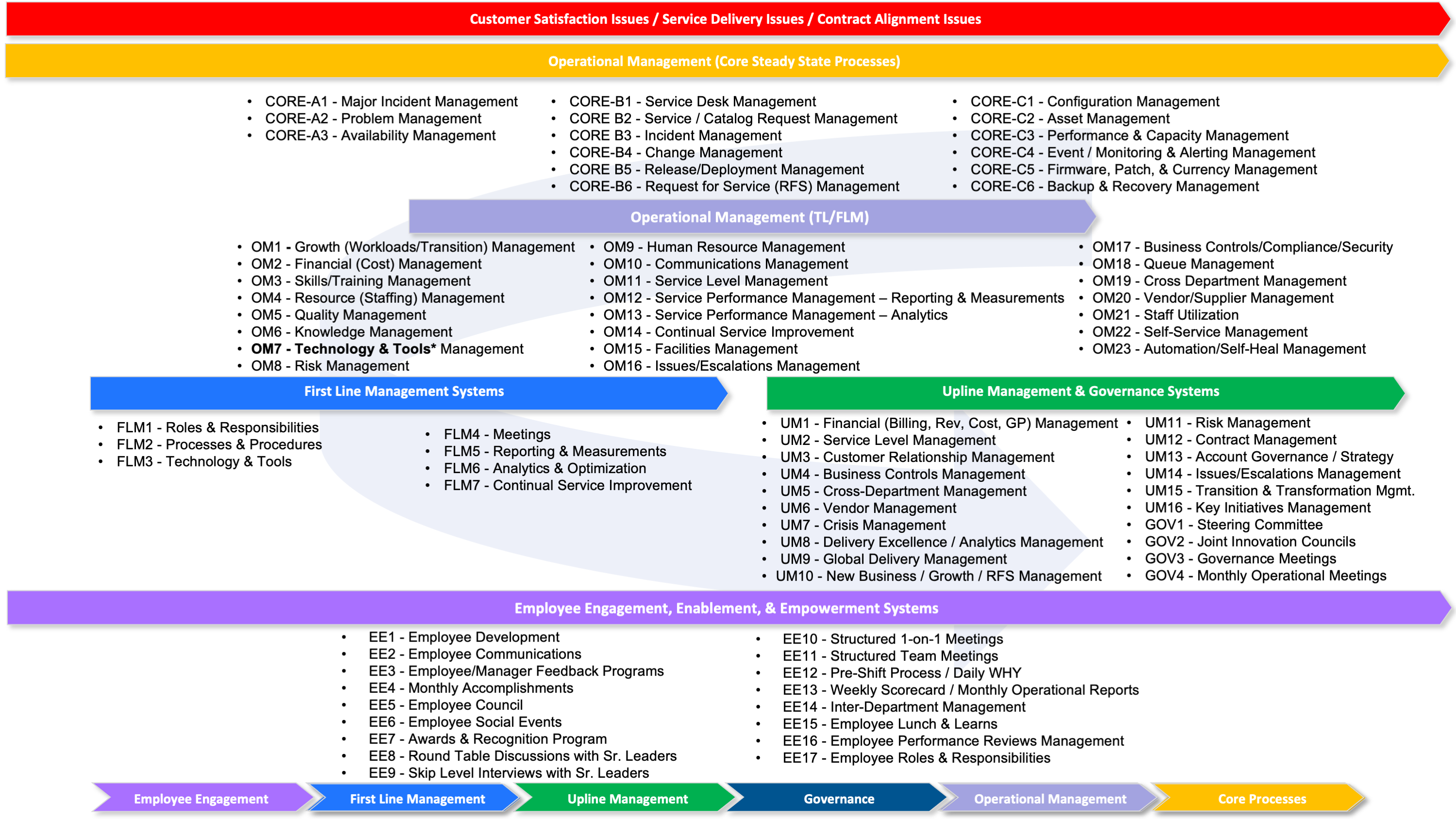
Exercise: What elements of the Operational Management Framework do you think have an impact on Managing Remote Workers?
Subscribe To My Blog To Learn More: https://www.imadlodhi.com/subscribe

Divorce
Custodymate: Men Are Always At A Disadvantage When It Comes To Divorce Settlements
In our society, men are still seen as the breadwinners and providers, even though more and more women are now working and contributing to family finances. This outdated view has consequences in the courtroom, where men are often assumed to have deeper pockets and be better able to pay a settlement.
In our society, men are still seen as the breadwinners and providers, even though more and more women are now working and contributing to family finances. This outdated view has consequences in the courtroom, where men are often assumed to have deeper pockets and be better able to pay a settlement. The reality is that divorce settlements take into account a variety of factors, including each spouse's earnings, property ownership, and the needs of any dependent children. In many cases, the settlement will be based on a fair division of assets, rather than on who earns more money. As a result, men are not automatically at a disadvantage when it comes to divorce settlements. However, they may face unique challenges in negotiating a fair settlement, particularly if their ex-wives are also breadwinners.
Courts tend to favor women when it comes to awarding custody of children
Courts tend to favor women when it comes to awarding custody of children. This is because the courts believe that women are better caregivers than men. They also believe that women are more nurturing and have a stronger bond with their children. However, this is not always the case. There are many fathers who are excellent caregivers and who have strong bonds with their children. The courts should not make assumptions about which parent is better suited for custody. They should base their decisions on the facts of each case. In doing so, they would be more likely to make decisions that are in the best interests of the children.
Men often have to pay more in alimony and child support payments
It's no secret that the family court system is biased against men. Men are often presumed to be the breadwinners, even when they're not, and as a result, they're often ordered to pay higher alimony and child support payments. In many cases, these payments can be so high that they force men into poverty. Meanwhile, women are often able to collect significant sums of money from their ex-husbands, even when they're wealthy. This inequality is unfair and unjust, and it needs to be corrected. Men shouldn't have to bear the brunt of the financial burden in a divorce; both parties should be treated equally. Only then will justice be served.
Property division is usually not in the man's favor
During a divorce, the court is tasked with dividing the couple's marital property. This can be a difficult and contentious process, as each spouse typically wants to keep as much of the property as possible. Unfortunately, in many cases the division of property is not in the man's favor. The courts often view women as the primary caretakers of the home and children, and they may award them a larger share of the couple's assets as a result. In addition, men are often seen as the breadwinners and may be required to pay more alimony or child support. As a result, it is important for men to protect their interests during a divorce by working with an experienced attorney. By understanding the laws and procedures surrounding property division, men can ensure that they receive a fair share of the couple's assets.
The deck is stacked against men from the beginning of a divorce proceeding
The deck is stacked against men from the very beginning of a divorce proceeding. In most cases, it is the man who is forced to move out of the family home, leaving his wife and children behind. He is also typically required to pay alimony and child support, which can leave him struggling to make ends meet. And if he wants to maintain a relationship with his children, he will generally have to pay for their healthcare and education costs. In many ways, it feels like the system is designed to make it difficult for men to divorce without facing significant financial hardship. It's not fair, and it's not right. Men shouldn't be treated like second-class citizens when it comes to divorce. We deserve better.
There are ways for men to level the playing field, but they require hiring an experienced family law attorney
In recent years, there has been an increase in the number of men who are seeking custody of their children. While this is a positive trend, the sad reality is that the family law system is still heavily biased against fathers. The deck is stacked against men in terms of both the legal process and cultural attitudes, but there are ways to level the playing field. First and foremost, it is essential to hire an experienced family law attorney who knows how to navigate the system and give fathers a fighting chance. In addition, fathers need to be proactive in building a strong relationship with their children and demonstrating their commitment to being an active parent. Only by taking these steps can fathers hope to overcome the inherent biases against them and achieve equal footing in the family law system.
If you are a man going through a divorce, it is important to seek help from professionals who can level the playing field for you. There are many ways for men to improve their chances in a divorce settlement, but they require hiring an experienced family law attorney. The deck is stacked against men from the beginning of a divorce proceeding, but with the right support, you can get through this difficult time.
If you're going through a divorce or legal separation and are struggling to resolve custody-related matters, The CustodyMate Ecosystem can help you. The Website contains a great deal of information, along with a robust Blog that has hundreds of articles on everything related to divorce and separation, a Forum where you can interact with others going through the same process, a Knowledge Center where you can search for resources, and a robust Web and Mobile Application that will assist you as you navigate the divorce and separation process.
https://custodymate.com/signup.php
With The CustodyMate Ecosystem, you'll have all the information you need in one place so you can make informed decisions about what's best for your family. And because The CustodyMate Ecosystem is available 24/7, you can access it anytime, anywhere. So if you're looking for a way to keep track of your custody situation, The CustodyMate Ecosystem is the perfect solution.

Divorce
Custodymate: How To Cope With Stress In The Workplace And Minimize Its Impact On Married Life
Workplace stress can have a significant impact on married life. When one or both partners are dealing with stressful work situations, it can lead to tension and conflict at home. The spouse may feel like they are always taking care of the home and children while the other partner is away working, and this can cause resentment.
Workplace stress can have a significant impact on married life. When one or both partners are dealing with stressful work situations, it can lead to tension and conflict at home. The spouse may feel like they are always taking care of the home and children while the other partner is away working, and this can cause resentment.
Additionally, the stress from work can interfere with quality time spent together as a couple, and can even lead to problems in the bedroom. In extreme cases, workplace stress can cause couples to separate or get divorced.
List of the impact of workplace stress on married life
- Can lead to tension and conflict at home
- One partner may feel like they are always taking care of the home and children
- The stress from work can interfere with quality time spent together as a couple
- Can even lead to problems in the bedroom
- In extreme cases, workplace stress can cause couples to separate or get divorced.
Some potential strategies to help reduce the impact of workplace stress on married life include setting boundaries around work hours, communicating openly about concerns with one's partner, and seeking professional support if necessary. Additionally, couples can also make time for regular date nights or other activities that allow them to reconnect and focus on their relationship, which can help to minimize the negative effects of stress at work. Ultimately, it is important for both partners to be supportive and understanding of each other's needs in order to maintain a healthy and happy marriage.
List of potential strategies to minimize the impact of workplace stress on married life
- Set boundaries around work hours
- Communicate openly about concerns with one's partner
- Seek professional support if necessary
- Make time for regular date nights or other activities that allow them to reconnect and focus on their relationship
Ultimately, it is important for couples to recognise that workplace stress is common and can affect any marriage, regardless of the individuals involved. By addressing the problem early on and taking steps to manage it, couples can reduce the negative impact that it may have on their relationship.
If you're going through a divorce or legal separation and are struggling to resolve custody-related matters, The CustodyMate Ecosystem can help you. The Website contains a great deal of information, along with a robust Blog that has hundreds of articles on everything related to divorce and separation, a Forum where you can interact with others going through the same process, a Knowledge Center where you can search for resources, and a robust Web and Mobile Application that will assist you as you navigate the divorce and separation process.
https://custodymate.com/signup.php
With The CustodyMate Ecosystem, you'll have all the information you need in one place so you can make informed decisions about what's best for your family. And because The CustodyMate Ecosystem is available 24/7, you can access it anytime, anywhere. So if you're looking for a way to keep track of your custody situation, The CustodyMate Ecosystem is the perfect solution.

Divorce
Custodymate: The Top 5 Signs You Are Headed For A Divorce
If you're feeling like your marriage is on the rocks, you're not alone. In the United States, the divorce rate is about 51%. While that may seem like a bleak statistic, it's important to remember that many marriages do end in divorce. If you're concerned that your marriage may be headed in that direction, there are some key signs to look out for.
If you're feeling like your marriage is on the rocks, you're not alone. In the United States, the divorce rate is about 51%. While that may seem like a bleak statistic, it's important to remember that many marriages do end in divorce. If you're concerned that your marriage may be headed in that direction, there are some key signs to look out for.
One of the most common signs that a divorce is looming is a lack of communication. If you and your spouse are no longer talking about your hopes, dreams, and concerns, it's a sign that you're growing apart. Additionally, a lack of communication can lead to a lack of intimacy. If you're no longer physically and emotionally intimate with your spouse, it's a sign that your relationship is in trouble.
Another common sign that a divorce is on the horizon is a lack of respect. If you find yourself constantly arguing with your spouse and disrespecting their wishes and needs, it's a sign that the relationship is unsustainable. Additionally, if you find yourself making decisions without consulting your spouse or taking them into consideration, it's a sign that you're heading for divorced. Divorce isn't easy, but if you're in an unhappy or unhealthy marriage, it may be the best decision for both parties involved. If you're noticing any of these signs in your own relationship, it may be time to seek out counseling or consider ending the marriage.
What you can do to prevent a divorce from happening
No one enters a marriage expecting it to end in divorce. But the sad reality is that many marriages do not last. If you are facing marital difficulties, there are things you can do to prevent a divorce from happening. The most important thing is to communicate with your spouse. Talk about your concerns and try to work together to resolve them. If you are having difficulty communicating, consider seeking therapy. It can be helpful to have an impartial third party to facilitate discussions between you and your spouse. Respect is also essential in a marriage. Be sure to show your spouse the same courtesy and consideration you would want them to show you. Finally, make an effort to spend quality time together. Staying connected is crucial, even if life gets busy. If you can take the time to nurture your relationship, you may be able to prevent a divorce from happening.
How to save your marriage if it's already in trouble
If your marriage is already in trouble, it's not too late to save it. However, it will take effort and commitment from both you and your partner. One of the best things you can do is to seek therapy together. A therapist can help you to communicate better, resolve conflict, and work through any underlying issues that may be contributing to problems in your marriage. therapy can be an effective way to save a troubled marriage, but it's important to make sure that you're both committed to the process. If one or both of you isn't willing to put in the work, therapy may not be able to help. However, if you're both committed to saving your marriage, therapy can be a powerful tool.
Tips for rebuilding trust in your relationship
Trust is the foundation of any healthy relationship. It's what allows us to feel safe and secure in our interactions with others. But when trust is broken, it can be difficult to know how to rebuild it. These tips can help you start the process of rebuilding trust in your relationship:
1. Be honest with each other. If you've made a mistake, own up to it and apologize. Honesty is essential for rebuilding trust.
2. Communicate openly and frequently. Share your thoughts and feelings with each other, and be open to hearing about your partner's experiences as well.
3. Be reliable and consistent in your actions. Follow through on your promises, and don't make commitments you can't keep. Consistency will help rebuild trust over time.
4. Be willing to forgive. Trust can only be rebuilt if both partners are willing to forgive past mistakes. Forgiveness is an essential part of the process.
5. Seek professional help if needed. If you're having trouble rebuilding trust on your own, consider seeking out counseling or therapy together. A professional can help you identify any underlying issues that may be contributing to the mistrust in your relationship.
By following these tips, you can start the process of rebuilding trust in your relationship. Trust is essential for a healthy relationship, so it's worth the effort to work on rebuilding it if it's been broken. With patience and commitment, you can get your relationship back on track.
How to deal with the stress of a failing marriage
Facing the end of a marriage can be one of the most stressful experiences a person can go through. Not only is there the pain of rejection and loss, but there is also the stress of dealing with legal and financial issues. However, there are steps that can be taken to minimize the stress of a failing marriage. First, it is important to seek professional help. A therapist can provide much-needed support and guidance during this difficult time. Secondly, it is important to take care of yourself physically. This means eating a healthy diet, getting regular exercise, and getting enough sleep. Finally, it is important to reach out to your friends and family. They can offer practical assistance and emotional support when you need it most. By taking these steps, you can help reduce the stress of a failing marriage.
No one wants their marriage to fail, but unfortunately, it is a reality for many couples. If you are heading for a divorce, it is important to be aware of the signs so you can try to prevent it from happening. However, if your marriage is already in trouble, there are ways to save it. Trust is essential in any relationship, and if yours has been damaged, there are steps you can take to rebuild it. Finally, divorces are stressful and hard to go through. Make sure to seek help from professionals as well as people who have gone through what you are going through.
If you're going through a divorce or legal separation and are struggling to resolve custody-related matters, The CustodyMate Ecosystem can help you. The Website contains a great deal of information, along with a robust Blog that has hundreds of articles on everything related to divorce and separation, a Forum where you can interact with others going through the same process, a Knowledge Center where you can search for resources, and a robust Web and Mobile Application that will assist you as you navigate the divorce and separation process.
https://custodymate.com/signup.php
With The CustodyMate Ecosystem, you'll have all the information you need in one place so you can make informed decisions about what's best for your family. And because The CustodyMate Ecosystem is available 24/7, you can access it anytime, anywhere. So if you're looking for a way to keep track of your custody situation, The CustodyMate Ecosystem is the perfect solution.