Leadership, sales, service delivery, management systems, AI and transformation — observations drawn from the realities of leading people and being accountable for outcomes.
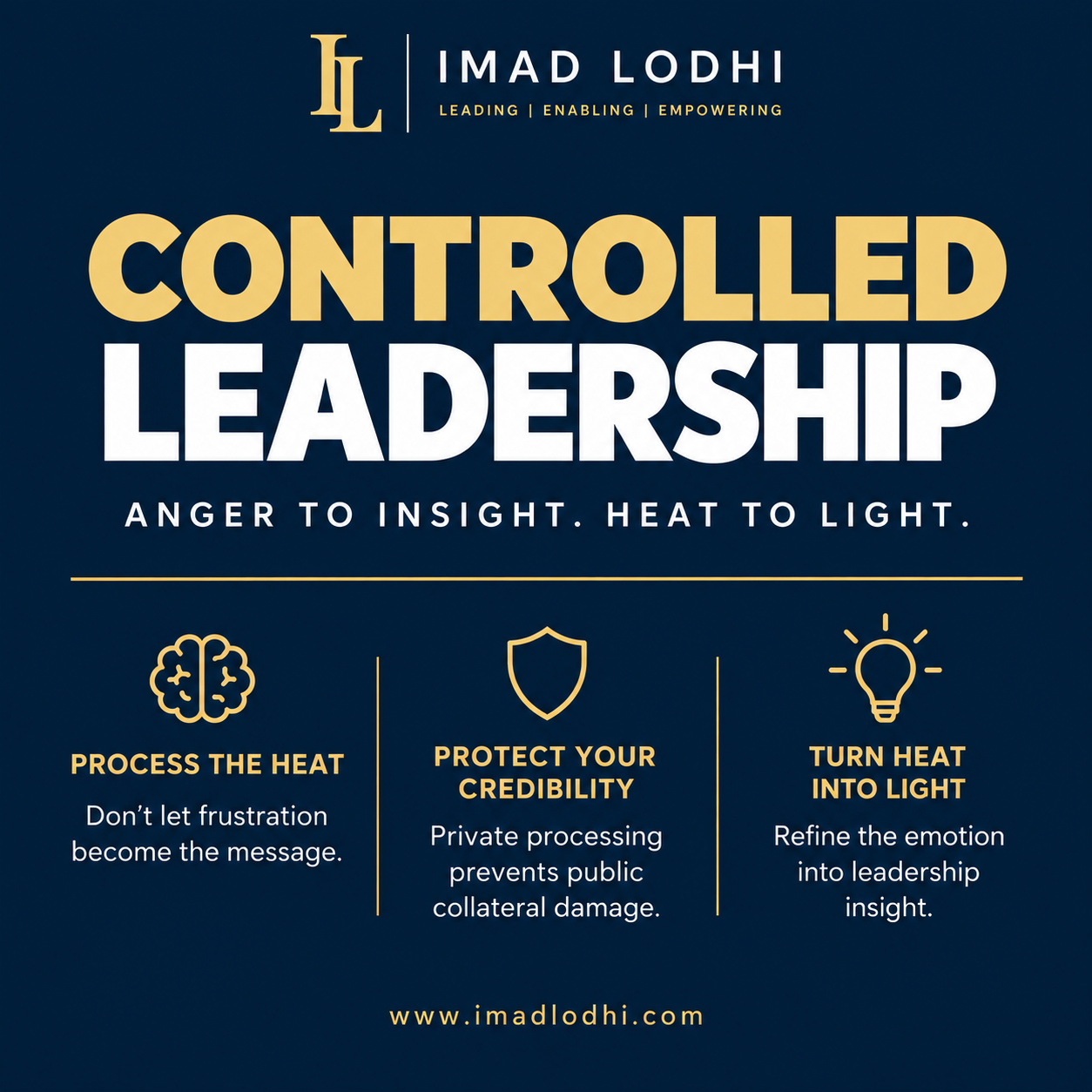
Controlled leadership is not about suppressing frustration. It is about processing the heat privately so it becomes useful insight rather than public collateral damage.
Individual selling skill matters, but consistent performance requires an operating system: pipeline discipline, CRM hygiene, metrics, routines, reflection and continuous improvement.
Customers rarely care about capabilities in isolation. The seller's job is to translate what a solution does into the business outcome that matters to this specific buyer.
Objections are often compressed signals about price, priority, trust, risk or internal constraints. Strong sellers diagnose what the buyer actually means before responding or discounting.
Buyer decisions are shaped by emotion, risk, trust, bias and confidence long before a proposal reaches the spreadsheet. Understanding that psychology changes how we sell.
More prospects do not automatically create a healthier pipeline. Strong selling starts by knowing who is worth pursuing and conducting discovery deeply enough to earn the right to propose.
The strongest sales conversations do not pressure customers toward a decision. They help customers understand a problem, its consequences, and whether acting creates enough value to justify change.
Before leaders try to fix a struggling employee, they should ask whether the person is broken—or simply lost in an unclear environment.
Demographics identify the person. Firmographics explain the company. Need analysis reveals the problem. Psychographics helps explain what will actually move the buyer to act.