The categories and existing article destinations remain intact. Browse the archive by topic and continue into the full articles from here.
When employees repeatedly compensate for broken systems, temporary fixes become invisible operating models—hiding cost, risk, and exhaustion.
When employees stop challenging the room, apparent consensus can hide disengagement, untested assumptions, and serious operational risk.
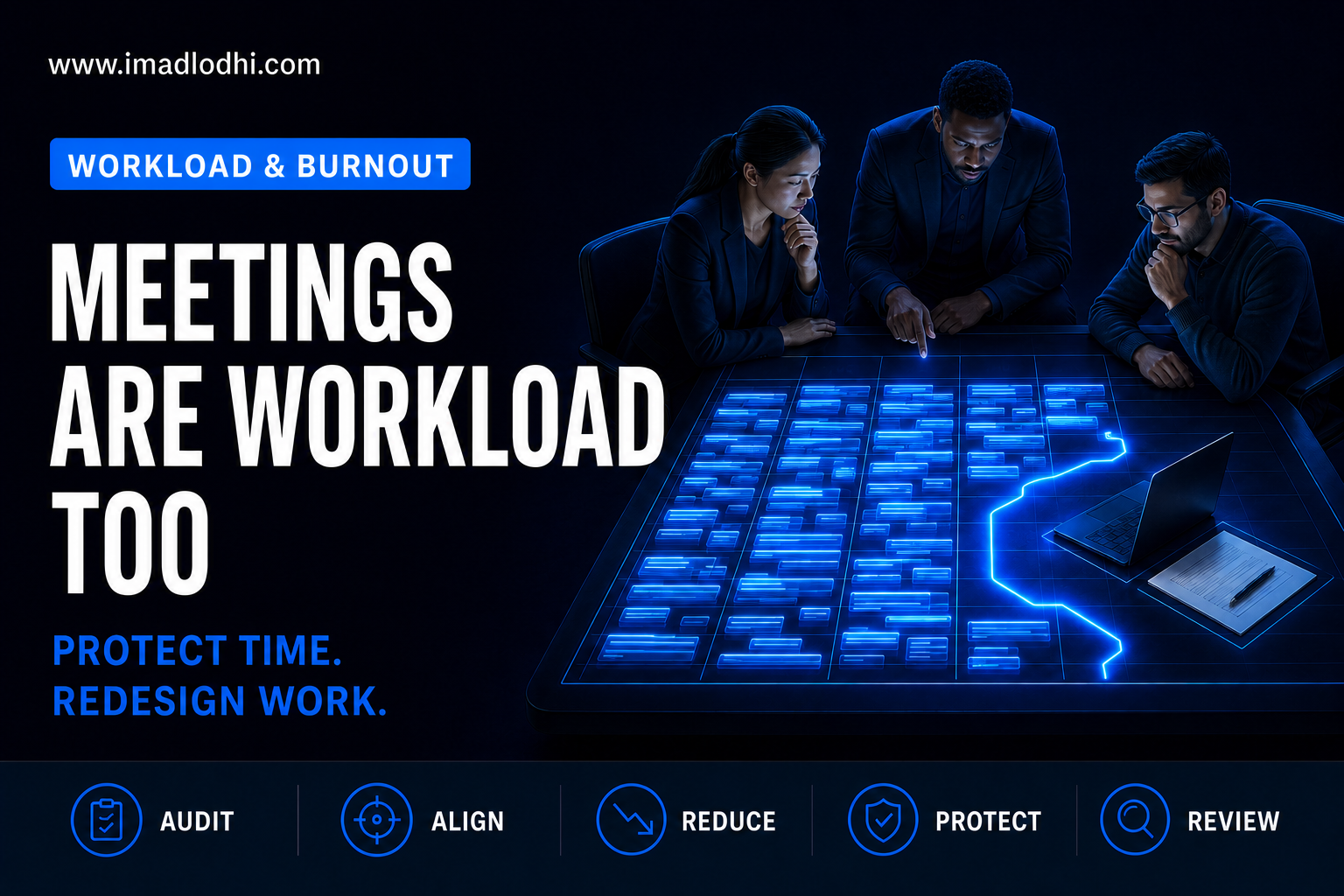
When meetings displace the work they are meant to enable, calendar congestion becomes an organizational workload problem. Leaders must audit demand, clarify decision rights, and protect focus capacity through governance.
How unresolved cross-departmental misconduct erodes employee engagement, trust, psychological safety, and the willingness to contribute.
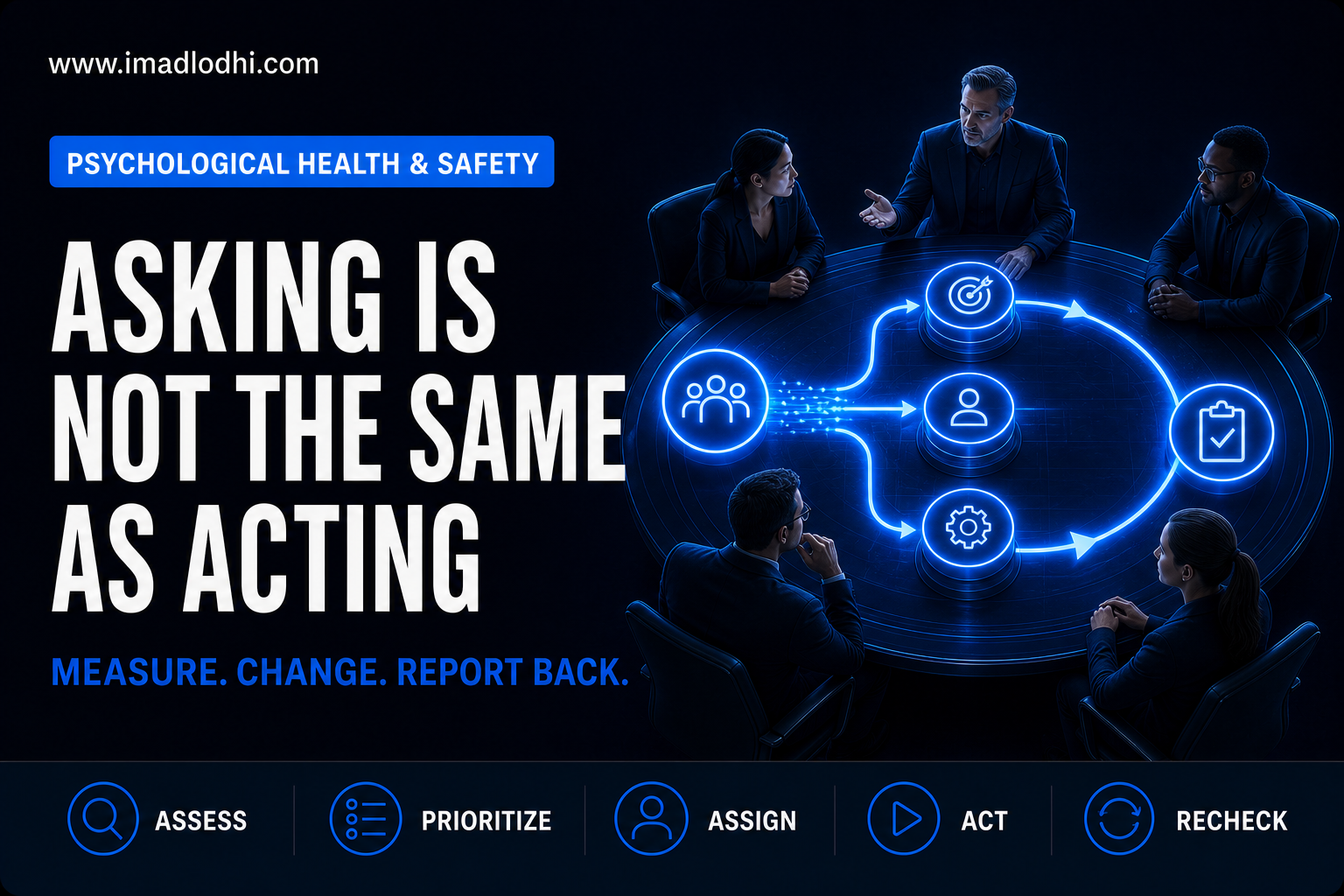
When organizations repeatedly ask about workload, trust, and support without changing the work, the survey becomes a ritual instead of a strategy.
When leaders raise performance targets without fixing gaps in training, knowledge, tools, authority, and process, accountability becomes pressure rather than enablement.
Traditional automation executes predefined steps. Agentic operations changes the operating model by giving AI agents objectives, context and bounded authority to pursue outcomes. The opportunity is substantial—but broken processes, weak knowledge and unclear accountability do not disappear when agents arrive. They can simply execute dysfunction faster.
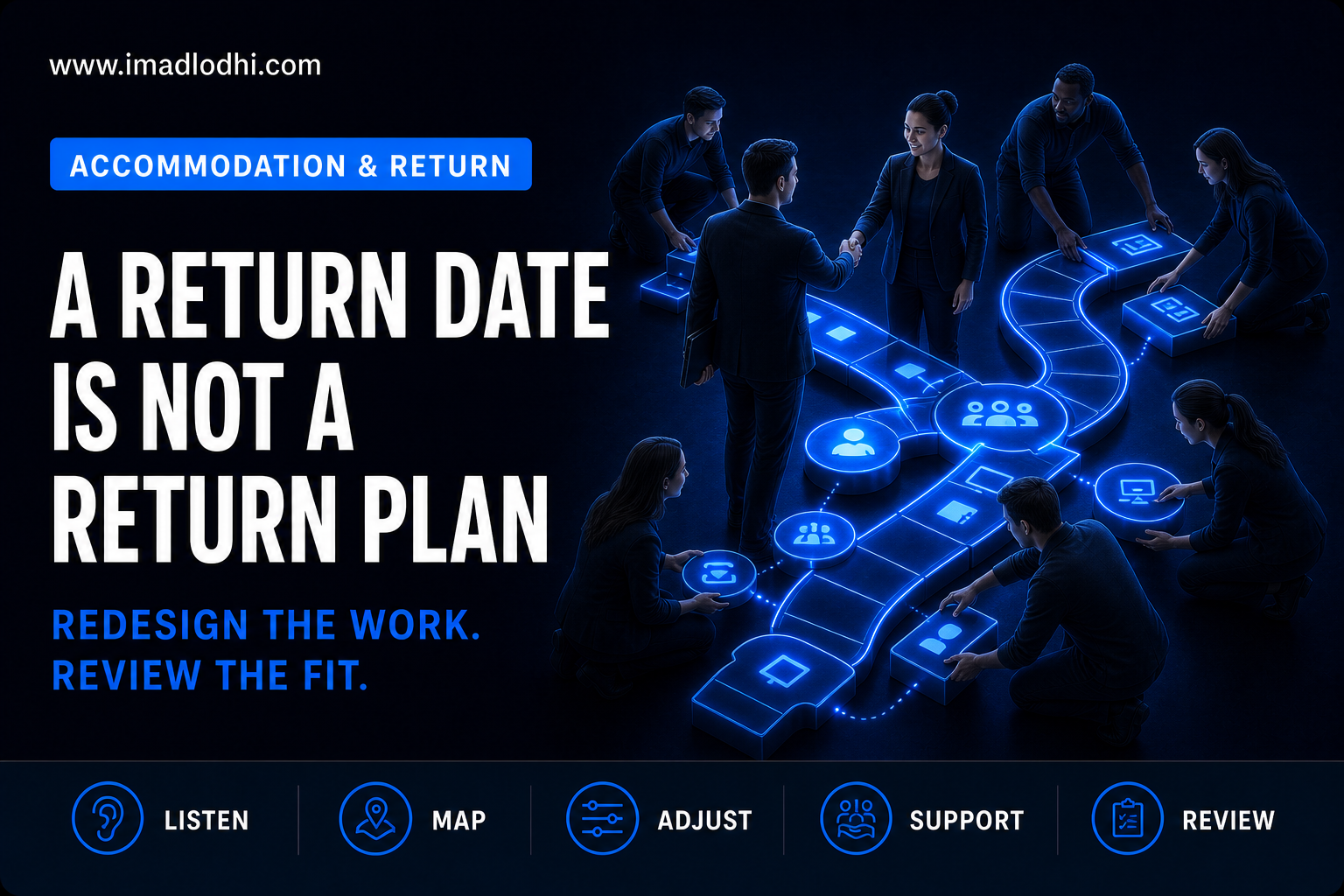
A phased return works only when leaders adjust workload, duties, coverage, and review points—not merely the date and hours.
When critical knowledge and recovery capability live in one dependable employee, apparent reliability hides burnout, stalled development, and serious operational risk.