The categories and existing article destinations remain intact. Browse the archive by topic and continue into the full articles from here.
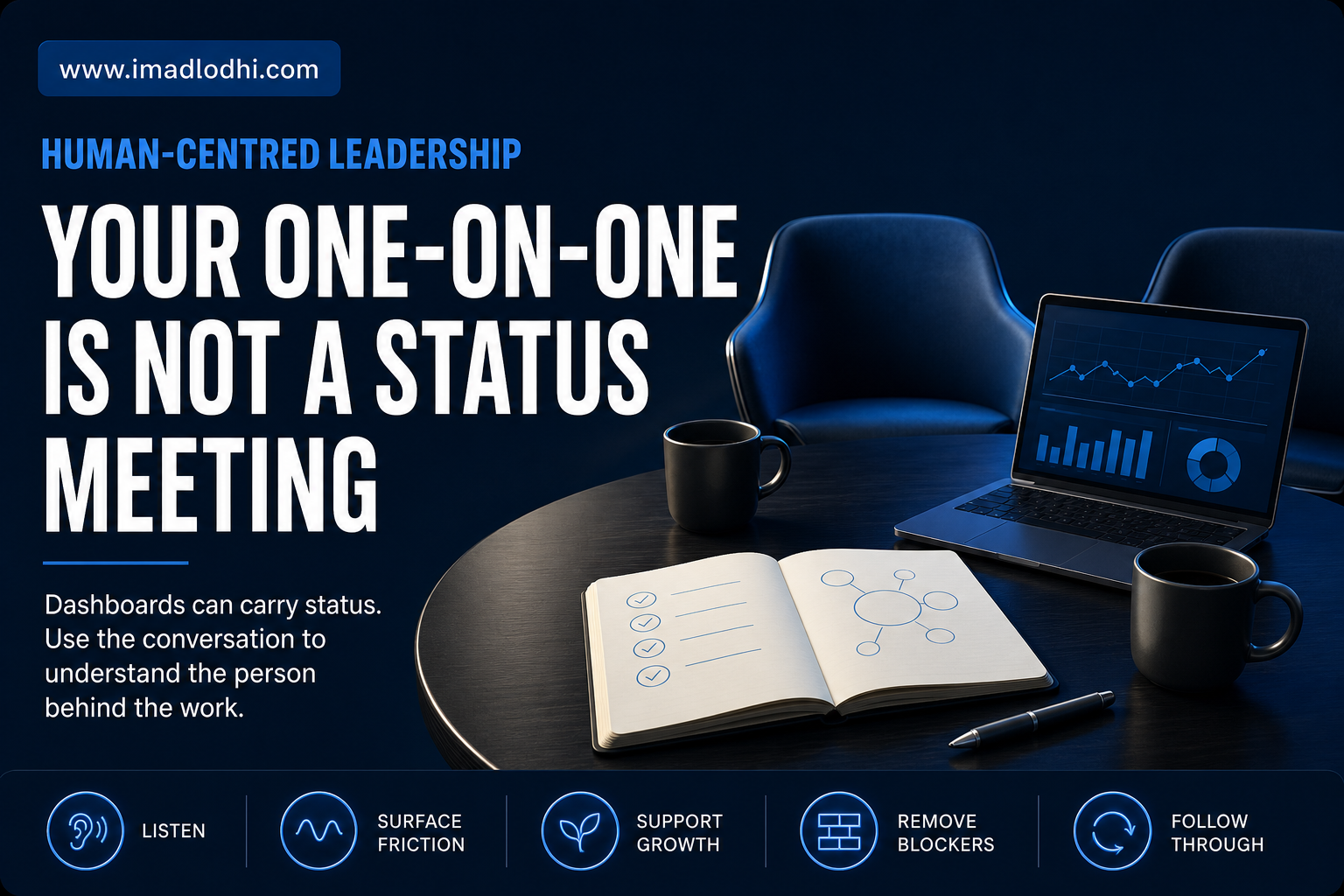
A one-on-one should do more than review delivery status. It should help leaders surface hidden friction, support development, and make accountability useful.
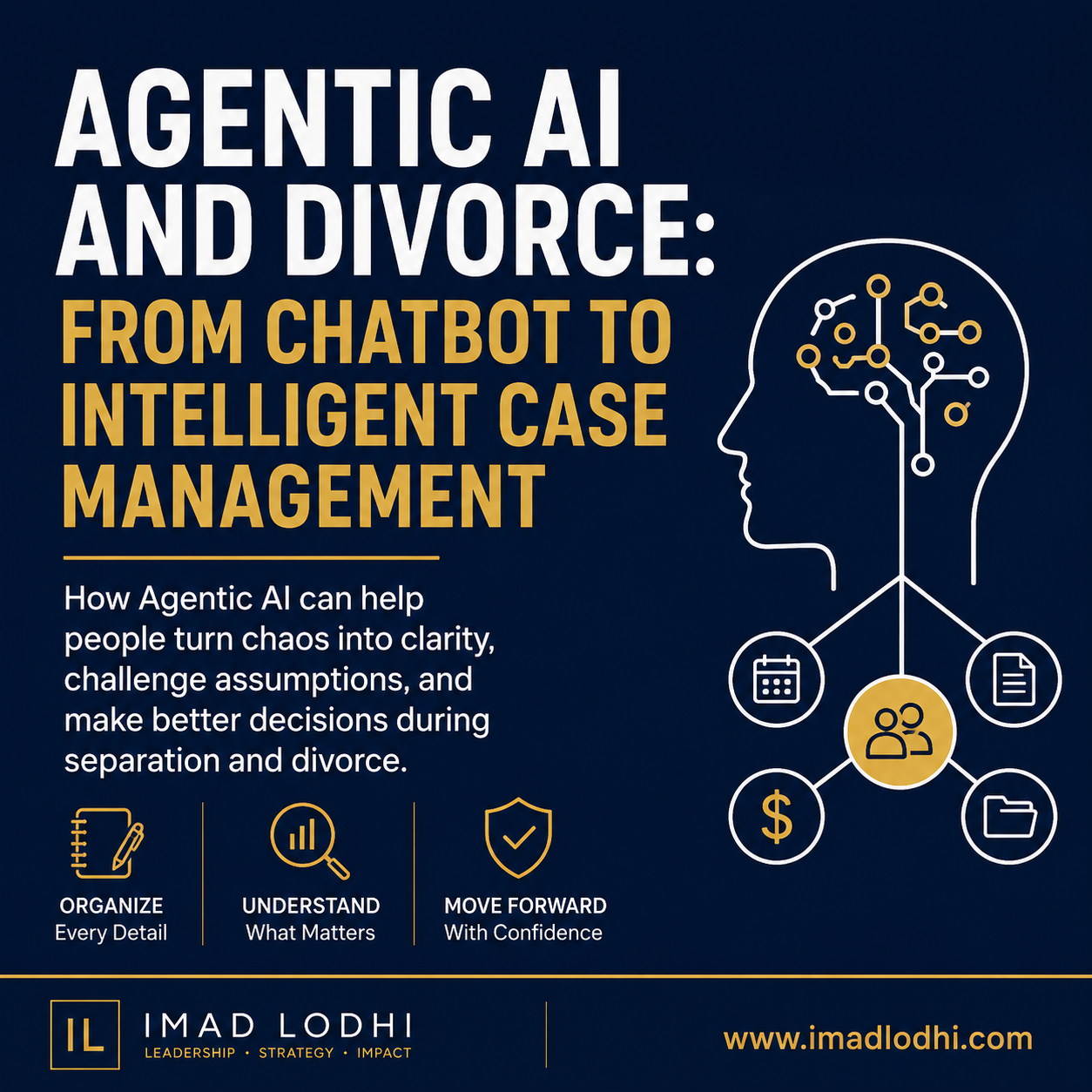
The opportunity isn't to build an AI divorce lawyer. It's to help people manage a complicated period with organized evidence, clearer context and human-controlled decisions.
When leaders react badly to early warnings, employees learn to delay escalation—turning manageable risks into expensive, customer-facing incidents.
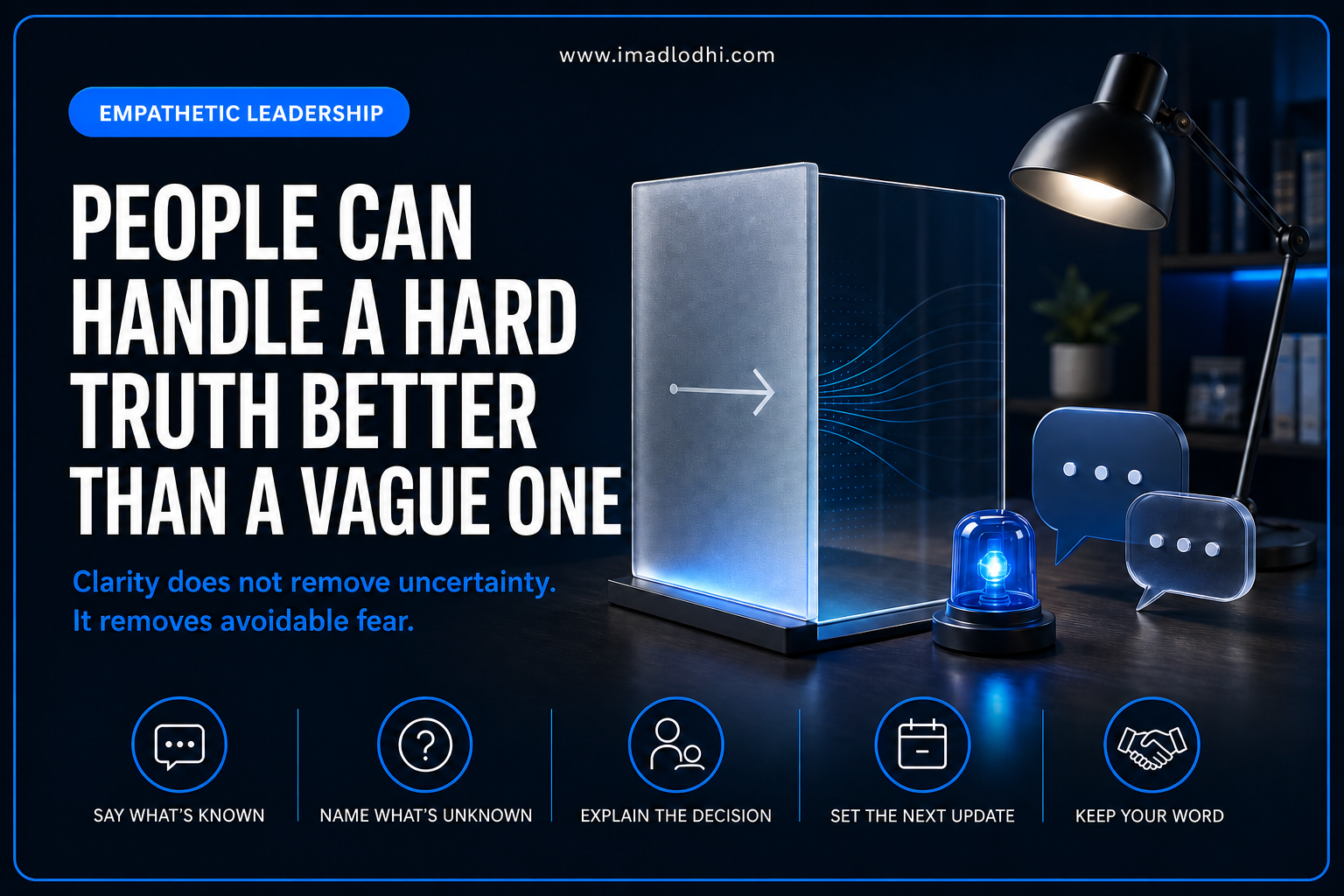
When leaders wait for perfect answers, uncertainty becomes a private workload. Honest, timely communication protects trust and attention.
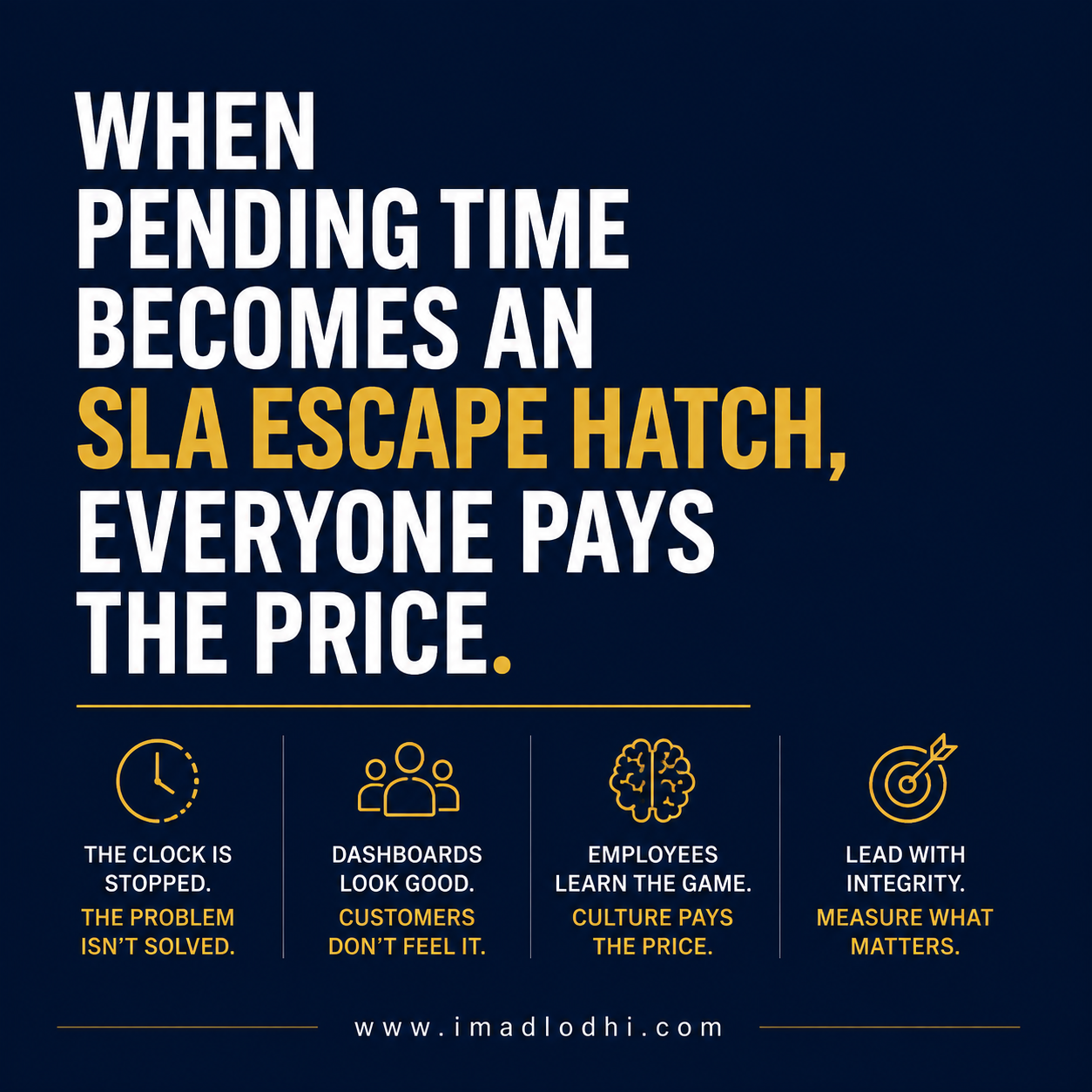
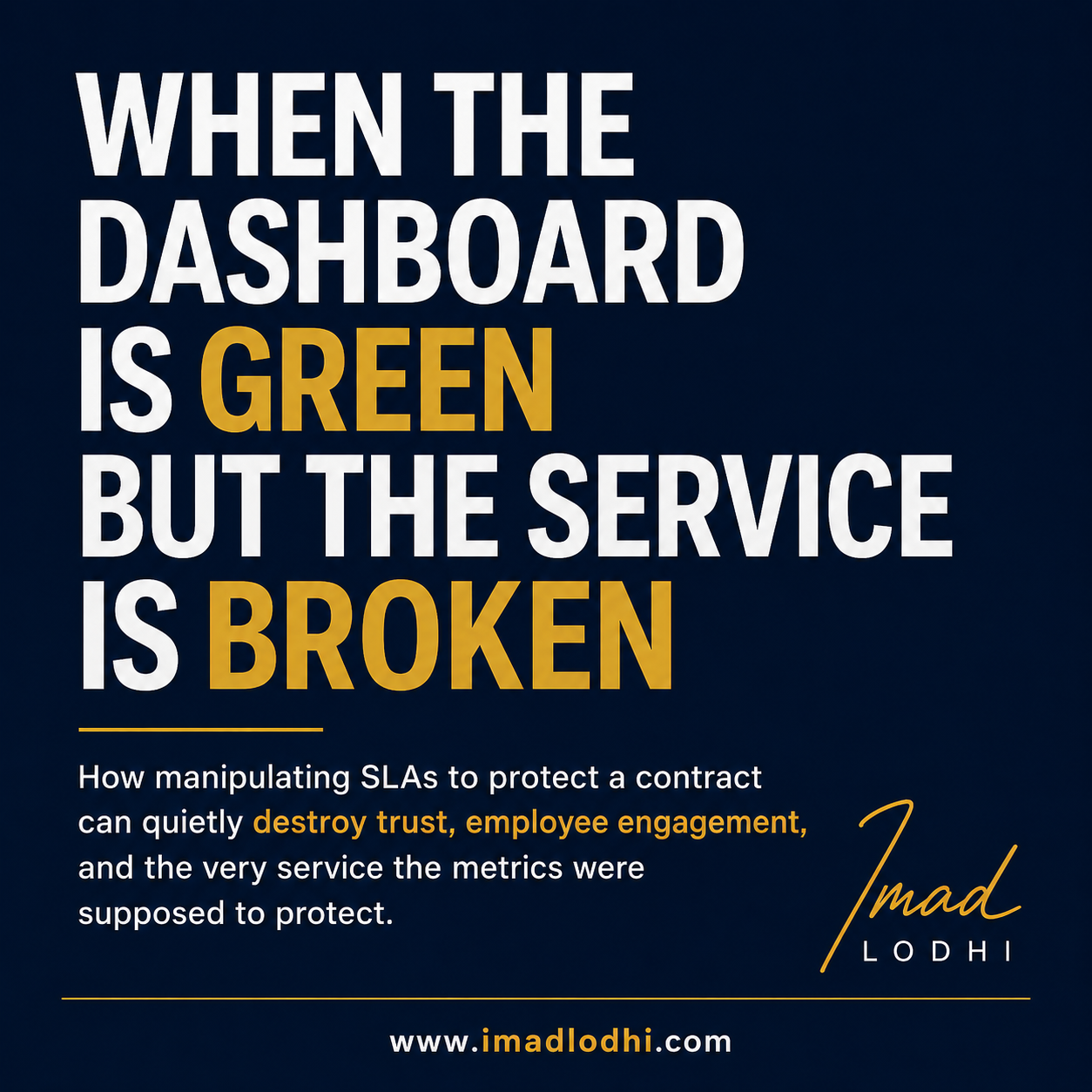
When internal and external pending time is used to stop the SLA clock rather than reflect genuine dependencies, teams learn to optimize the metric instead of the service.
How manipulating SLAs to protect a contract can quietly destroy trust, employee engagement, and the very service the metrics were supposed to protect.
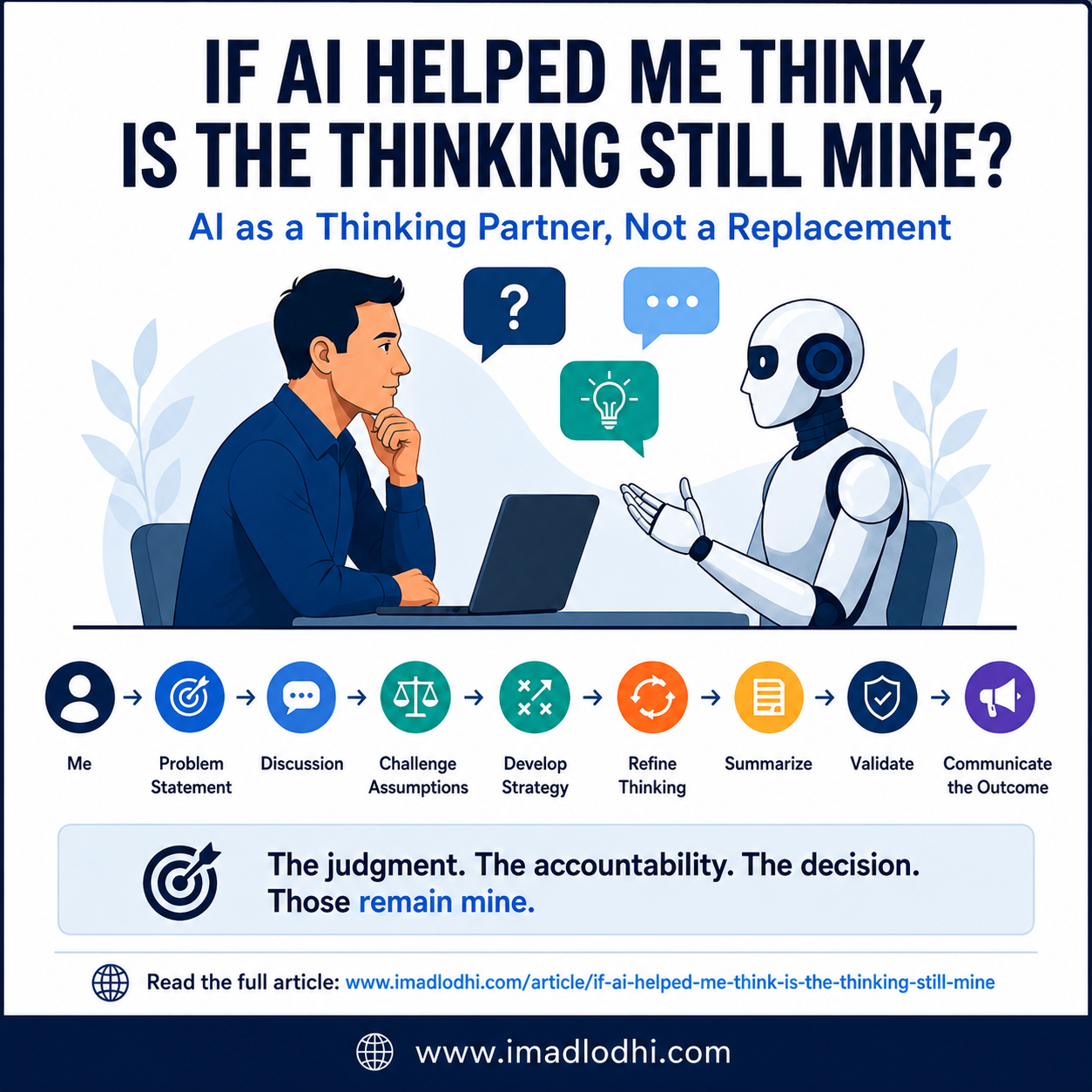
Generative AI does not have to replace human thinking. Used as a thinking partner, it can challenge assumptions, refine strategy and strengthen decisions while judgment and accountability remain human.
Too many organizations are buying generative AI first and searching for a business problem afterward—turning transformation into an expensive exercise in retrospective justification.
When teams measure success by transferring work instead of securing the outcome, tickets move quickly while accountability quietly disappears between queues.