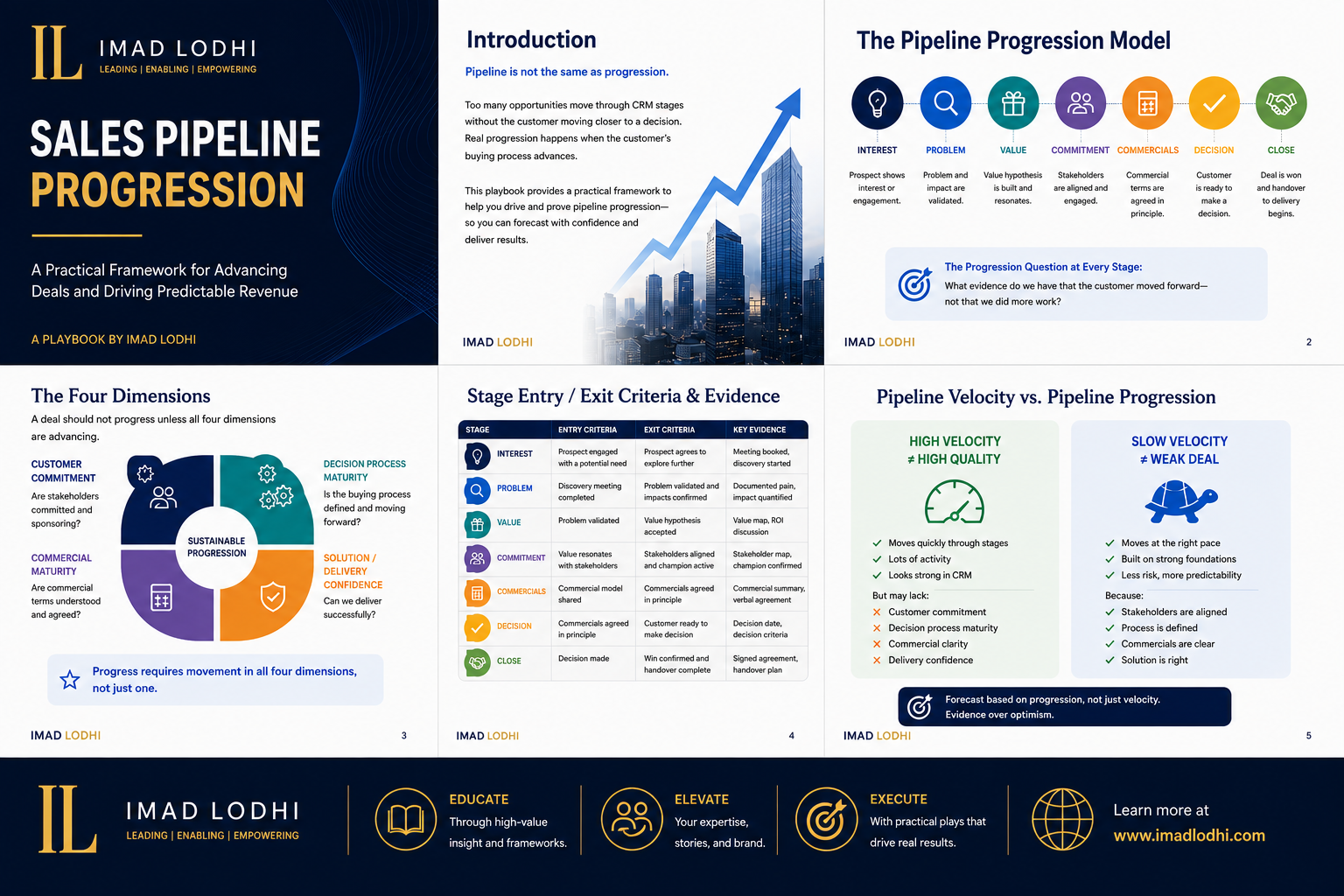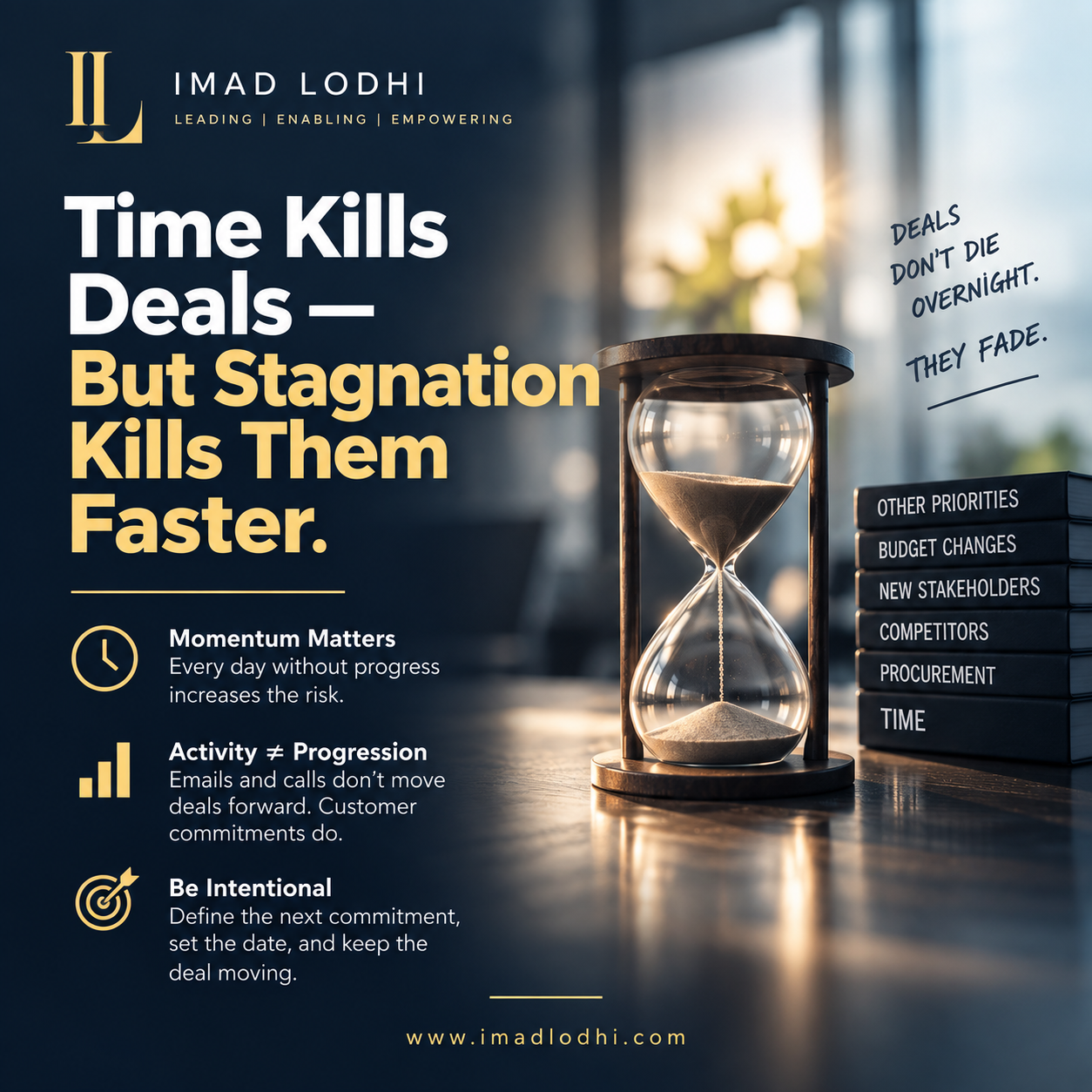
The longer an opportunity sits without meaningful customer commitment, the less confidence sales leaders should place in its pipeline value. Momentum is created by progression, not activity.
A management system should not prove that work happened. It should make ownership, execution, and outcomes visible.
A team can be busy improving everything and still complete almost nothing. FLM7 turns improvement activity into sequenced, owned, measured, and embedded change.
Healthy role clarity prevents confusion. Weaponized role clarity creates handoffs, delay, and a culture where everyone can explain why the customer’s problem belongs to somebody else.

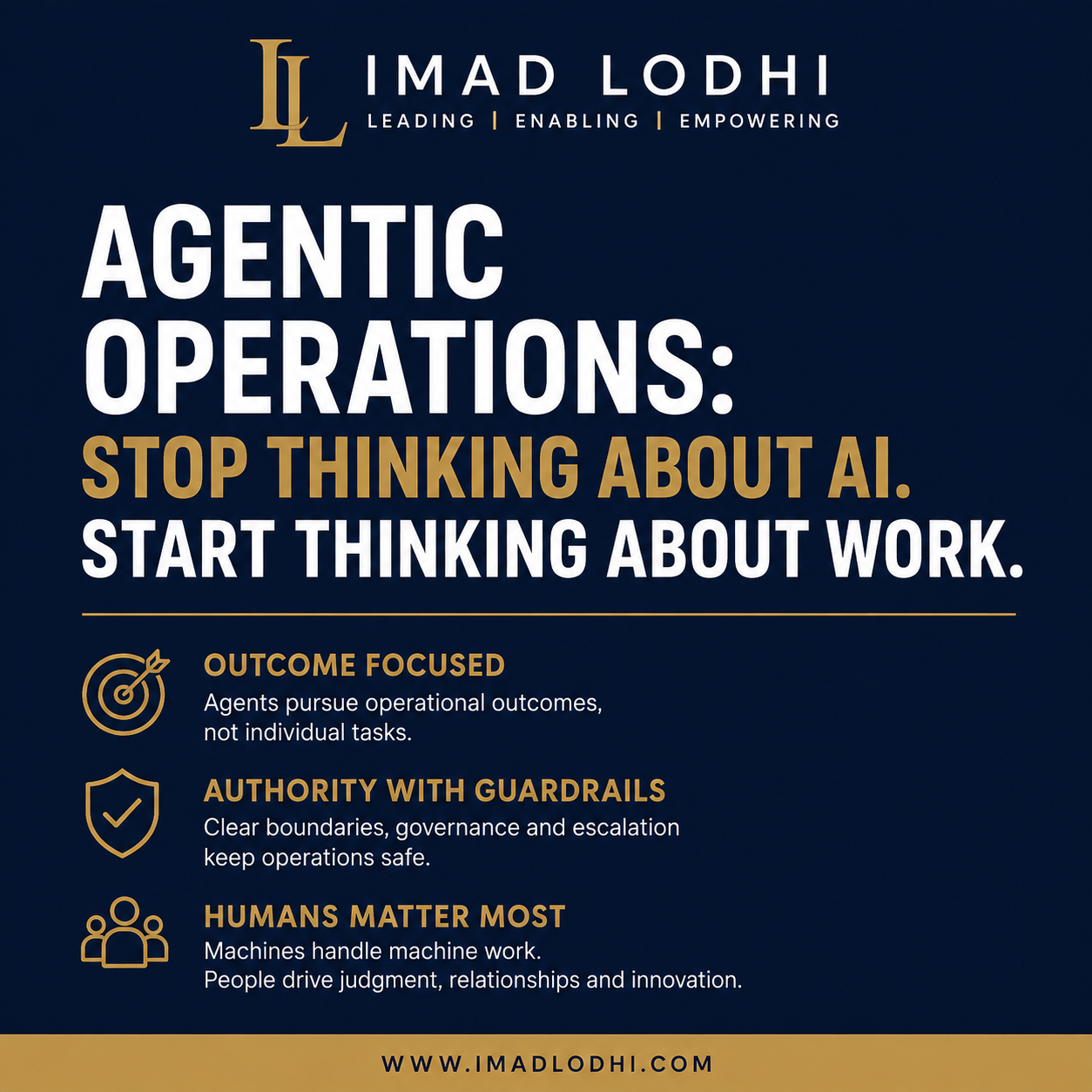
As AI agents move from recommending actions to executing them, organizations need explicit decision authority, escalation boundaries and stop conditions—not organizational knowledge that lives only in experienced people.
Fast recovery can hide repeat failure. FLM6 turns recurring incidents into evidence, root causes, and permanent operational improvement.
High standards improve performance when employees are equipped to meet them. Without practical support, those standards become pressure, shortcuts, and quiet disengagement.
When leaders judge the value of a conversation by rank instead of contribution, hierarchy starts replacing judgment. Peer conversations are built on relevance, expertise, curiosity and mutual respect—not matching titles.
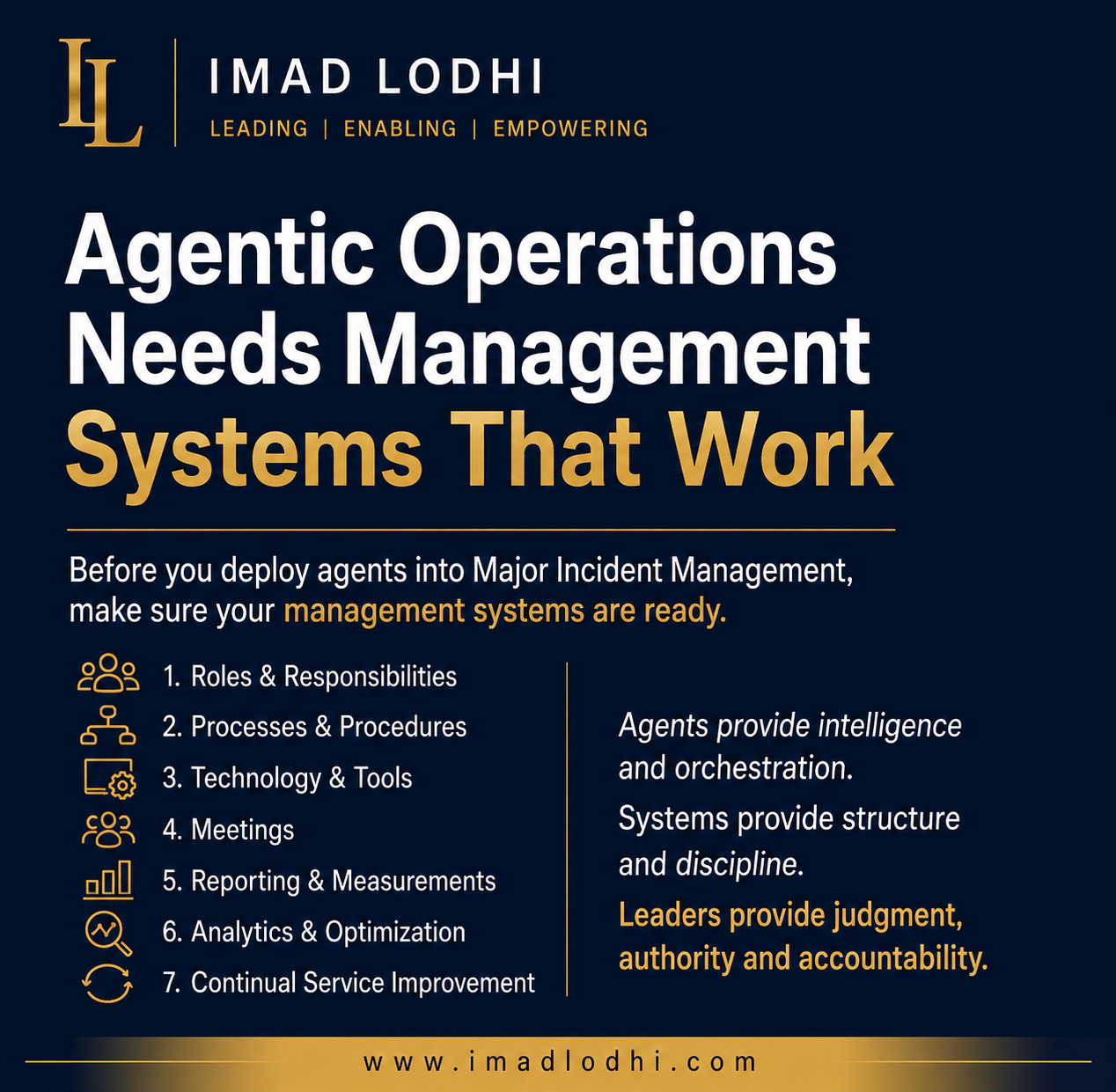
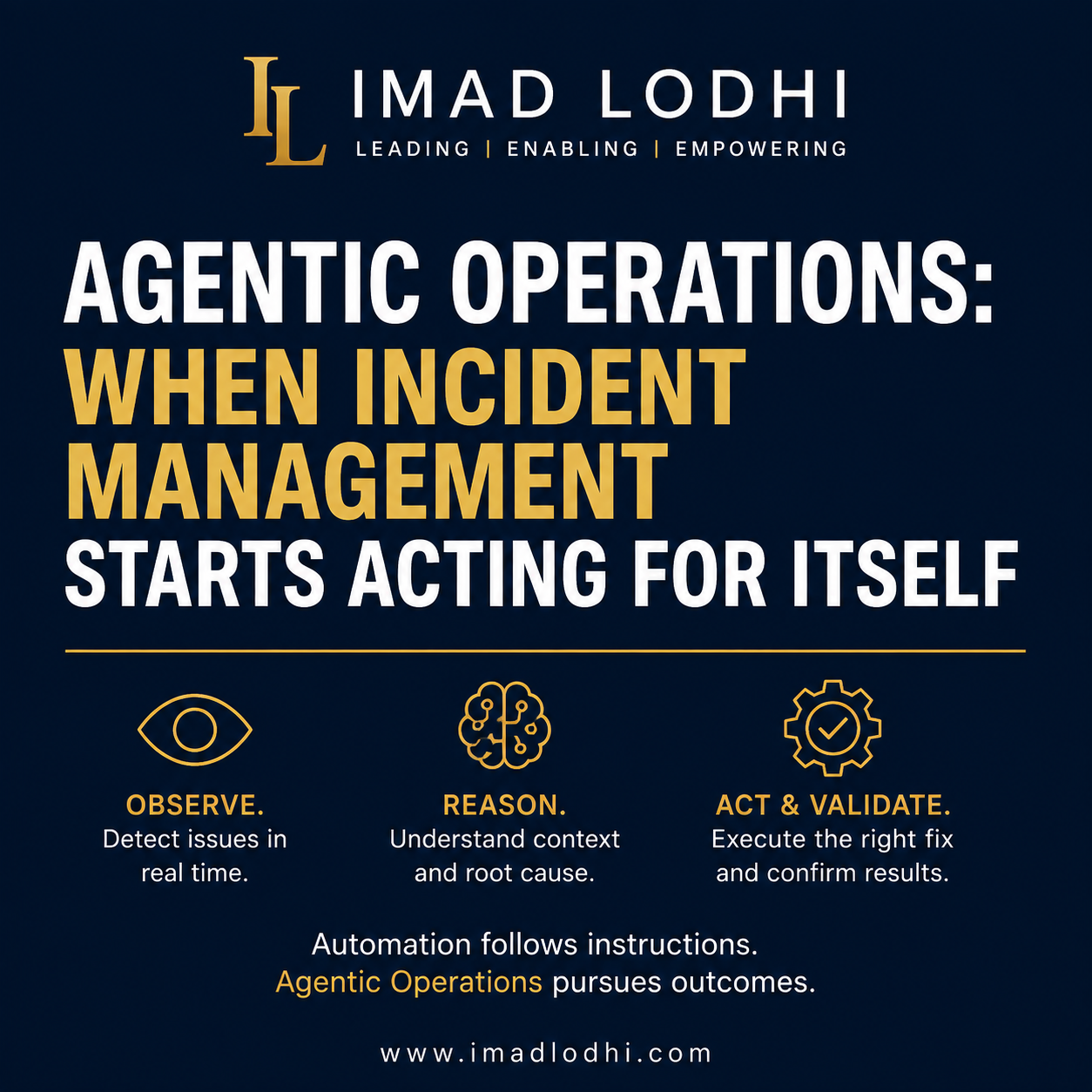
Agentic Operations can bring intelligence and orchestration to Major Incident Management, but agents still need clear ownership, repeatable processes, enabling tools, governance, trusted measures, analytics and continual improvement underneath them.
Major incidents are not only technical events. They stress-test the management systems around IT delivery. Agentic Operations can give the Major Incident Manager an intelligent operating team—but only when human command, accountability and operational discipline remain intact.
Many companies struggle with employee retention. This can lead to high turnover rates, which can be costly and disruptive to the company. It can also lead to a negative work culture and lower morale among remaining employees.
Giving feedback is an important aspect of communication in the workplace and can help individuals improve their performance and achieve their goals. However, some people may only want to receive positive feedback and may resist or become defensive when faced with constructive criticism.
Are you feeling overwhelmed and unsure? The feelings of being overwhelmed and uncertainty can be debilitating, causing stress and anxiety. It can be difficult to focus on tasks and make decisions when feeling this way. These feelings can also lead to a lack of productivity and difficulty in achieving goals.
Not understanding one's role and expectations. This lack of understanding can lead to feelings of confusion, frustration, and uncertainty. It can also cause problems with productivity and teamwork, as individuals may not know what is expected of them or how to properly contribute to the team.
As a manager, you may not feel confident in leading and effectively managing your team. This lack of confidence can lead to a lack of direction and clarity for your team, resulting in low morale and decreased productivity.
Many managers struggle to effectively lead their teams and achieve success. This can lead to low morale among team members, lack of productivity, and ultimately, failure to reach goals and objectives.
Many managers struggle to effectively lead their teams and achieve success. This can lead to low morale, poor performance, and ultimately, failure.
As a manager, it can be challenging to effectively lead and motivate your team to achieve success. This can lead to a lack of productivity and poor performance, which can negatively impact the overall success of the organization.
Many people struggle with leadership and management, feeling uncertain and ineffective in their roles. This lack of confidence and effectiveness can lead to a variety of negative outcomes, such as low morale among team members, poor performance, and conflict within the organization.
Many managers struggle to effectively lead their teams and achieve success. This can lead to a number of negative consequences, such as low morale, poor performance, and high turnover. It can also hinder the overall success of the organization.
Stop focusing on what you want. Start focusing on what your team needs. Leaders don’t chase credit — they create success. 💡#Leadership #ServantLeadership #Teamwork
Leadership isn't always glamorous. Some days, it can feel like you're running a special education classroom—constantly guiding, patiently reinforcing, and repeatedly clarifying expectations. You're not just managing tasks; you're actively shaping the skills, mindset, and growth of your team.
Have you ever worked with someone who constantly talks about their past achievements, insists they could do a better job, and only wants to engage with senior executives—despite being two or three levels below?
In the corporate world, leadership styles can significantly impact employee motivation, productivity, and overall job satisfaction. Two distinct approaches to leadership are leading and pushing. While leading inspires and empowers employees, pushing can lead to burnout and dissatisfaction.
As parents, we often start with the idea of treating all our children equally, believing that fairness lies in uniformity. However, experience soon teaches us that each child is unique, with different needs, strengths, and personalities. Some children thrive with independence, while others require more support and guidance. This realization leads to the adoption of a more tailored approach, where we adjust our parenting style to suit each child’s individual needs.
I remember a time when leaders were forged in the fire of experience, when they worked their way up the ranks, earning their stripes and gaining a deep understanding of the business, the industry, and most importantly, the people. They were leaders who commanded respect, not just because of their title, but because of their character, their competence, and their commitment to excellence.
When it comes to outsourcing, experience matters. I've seen it time and time again - inexperienced leaders trying to navigate complex client relationships and ending up in a mess. They fail to read the client's needs, they overpromise and underdeliver, and they compromise their own team's morale and credibility in the process.
As a mentor, I've noticed a recurring theme in my sessions with professionals from diverse backgrounds. We often discuss the challenges of navigating power dynamics and cultural differences in the workplace. One particular issue that comes up is the mistreatment of employees by those in positions of power. This can manifest in various ways, such as favoritism, bias, or mistreatment of employees.
Leadership isn't always about grand gestures and titles. Sometimes, it's displayed in the quiet corners of everyday life, like behind the bar. Take the seemingly simple interaction between a bartender and a customer. A leader in this scenario isn't just pouring drinks; they're making crucial decisions that impact safety and well-being.
Barriers. They provide structure, define boundaries, and create a sense of order. But sometimes, barriers become walls, hindering progress and stifling growth. As leaders, we understand the importance of stability, but we also recognize the necessity of change. So, what happens when those walls we rely on begin to crumble?
Reliable employees frequently hide weak processes through extra effort. When that effort becomes invisible, leaders may not understand its value until the employee disengages, transfers, or leaves.
Performance reviews should confirm an ongoing conversation, not introduce concerns an employee was never given a fair chance to address.
When information moves without explicit context and ownership, the next shift inherits risk rather than responsibility.
Disrespect at work is rarely announced. It appears in patterns: being bypassed, ignored, undermined, held accountable without authority, and expected to tolerate behavior leadership would not accept from you. Eventually, good employees stop fighting for better outcomes.
Employees cannot genuinely own outcomes when every meaningful decision remains trapped behind approval layers.
HR exists to protect the organization. The real test is whether it does so through fair treatment and credible accountability—or by minimizing uncomfortable truths.
When organizations celebrate incident recovery but overlook the quiet work that prevents failure, they may unintentionally train employees to value firefighting over reliability.
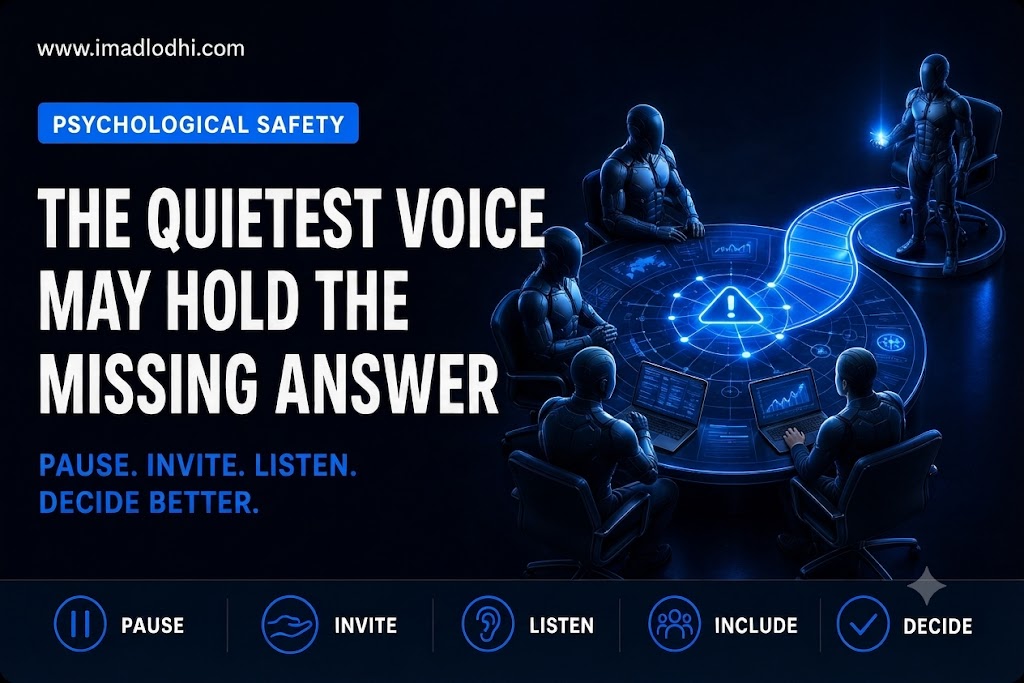
How unresolved cross-departmental misconduct erodes employee engagement, trust, psychological safety, and the willingness to contribute.
In today’s fast-paced, always-on business environment, time is everything. Whether it's a sudden system outage, a service disruption, or a security incident, the speed at which a company can respond often determines the difference between minor inconvenience and major catastrophe. As businesses become increasingly reliant on digital processes, Chief Information Officers (CIOs) are under immense pressure to ensure that services remain available and resilient in the face of unexpected challenges.
In every organization, a stable IT environment is the backbone of successful operations, enabling seamless service delivery, happy customers, and the implementation of cutting-edge innovations. However, achieving and maintaining stability is a complex challenge that goes far beyond simply keeping systems online. It involves navigating a network of interdependent teams, each of which can impact the overall performance of the IT ecosystem.
In today’s hyper-competitive market, customer satisfaction is more than just a nice-to-have; it’s the cornerstone of business success. Customers now hold the power, with high expectations for personalized, seamless, and responsive experiences across every touchpoint. For Chief Information Officers (CIOs), the stakes are high. The mandate goes beyond keeping the systems running—it’s about leveraging technology to elevate the customer experience (CX) and surpass customer expectations. In this blog, we’ll explore how CIOs are harnessing technology like data analytics and AI to transform customer satisfaction from a reactive afterthought into a strategic priority.
In many Indian households, the belt was once a feared tool for discipline. Fathers would use it to punish their children, often without explanation or discussion. This approach was meant to instill obedience, but it frequently led to resentment and fear.Similarly, in business relationships, contracts are often wielded like a belt, used to "beat" suppliers into submission. Customers may use contractual obligations to enforce their demands, without regard for the supplier's perspective or well-being.
In this topic, we will discuss the concept of "Team A" and "Team B" in the context of consulting firms and BPOs. Often during the sales and engagement cycle, these companies pitch the best and brightest resources (Team A) to potential clients, but end up staffing with less experienced and cheaper resources (Team B) due to cost pressures. This leads to a gap between what was promised and what is delivered, resulting in unsatisfied clients. In this discussion, we will explore how organizations can avoid this situation and ensure they deliver on their promises.
During challenging times, businesses may be focused on cost-cutting measures and may not be considering the full range of needs that they have, both explicit and implicit. This narrow focus on cost-cutting can lead to missed opportunities for growth and improvement, as well as a lack of support for the overall well-being and satisfaction of the clients.
The voice of the customer refers to the wants, needs, and expectations of a company's customers. It is the collective representation of their desires and perceptions, and it is used by businesses to guide their decisions and improve their products or services.
When it comes to customer service, there is a big difference between offering great services and being able to deliver those services. Many companies offer excellent customer service on paper, but when it comes time to actually deliver on those promises, they fall short. This can be due to a lack of resources, a lack of manpower, or simply a lack of knowledge on the part of the employees.
The best way to become a trusted advisor and differentiate yourself from your competition is to provide value-added services that go beyond what is expected.
Building credibility with a client is key to a successful business relationship. There are a few things you can do to make sure your client trusts you and believes in what you are saying.
Why wait for a crisis to remember God? Daily gratitude and His guidance can reshape how we approach ordinary life and difficult moments.
What feels like the destruction of your life may become the moment you rediscover its foundation—and find your way back to God.
Closed doors can bring pain, doubt, and regret. Faith helps us accept the loss, learn what it can teach us, and keep moving toward what comes next.
Some of life's hardest tests may do more than challenge us. They can remind us of our dependence on God and become an invitation to return to Him.
Sometimes we become so focused on building the life we want that we stop experiencing the life we already have. Ambition matters, but it becomes dangerous when gratitude disappears.
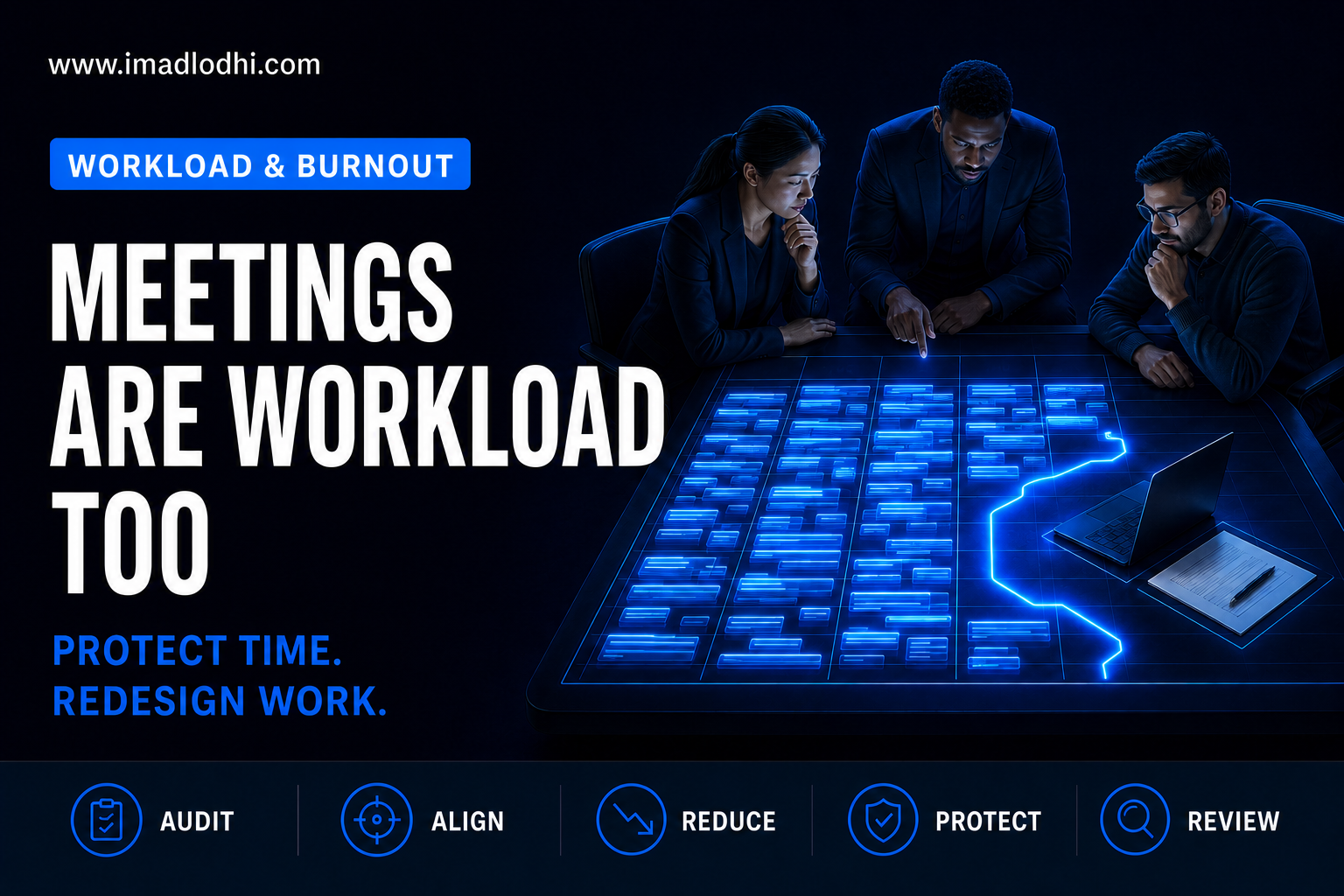
When meetings displace the work they are meant to enable, calendar congestion becomes an organizational workload problem. Leaders must audit demand, clarify decision rights, and protect focus capacity through governance.
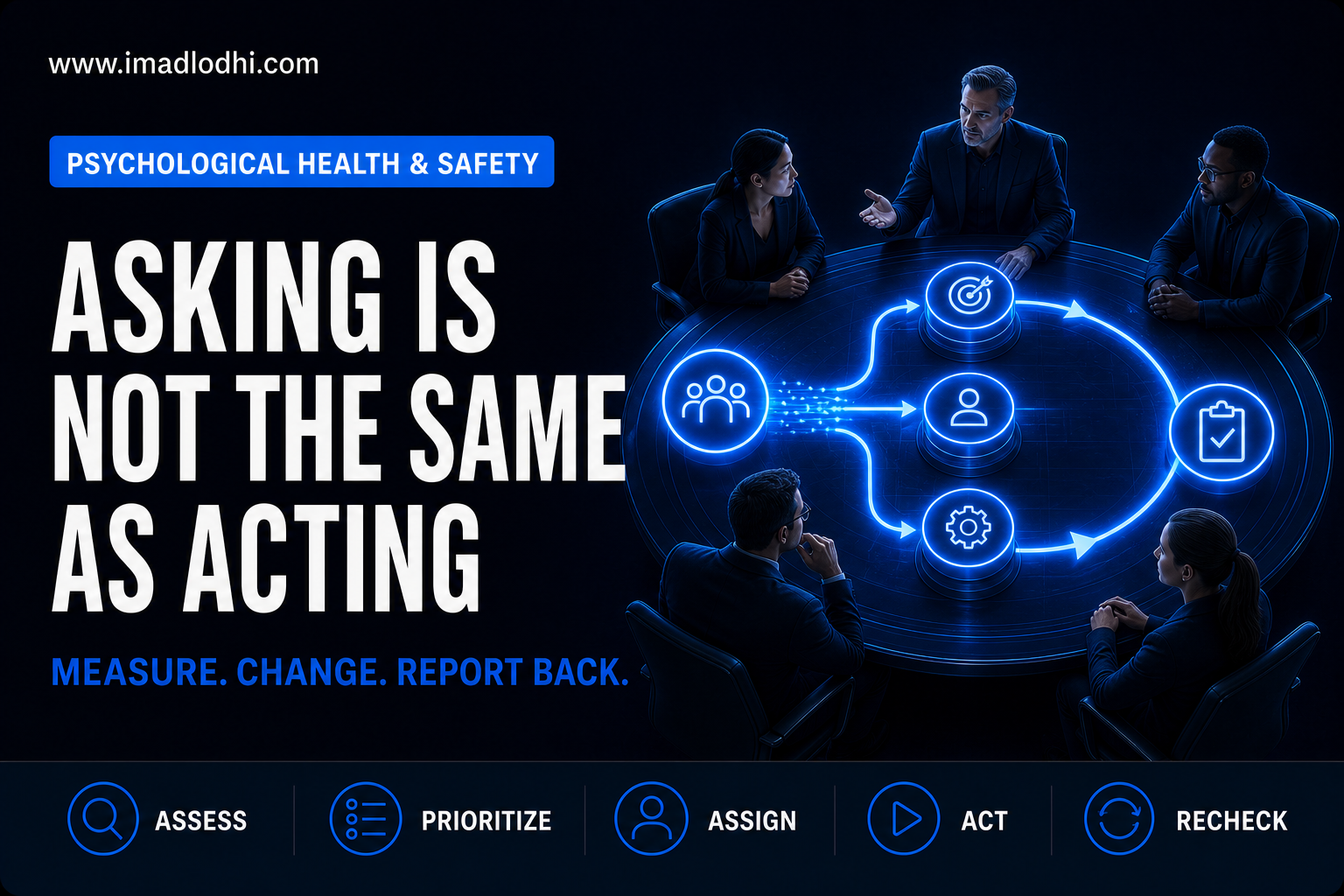
When organizations repeatedly ask about workload, trust, and support without changing the work, the survey becomes a ritual instead of a strategy.
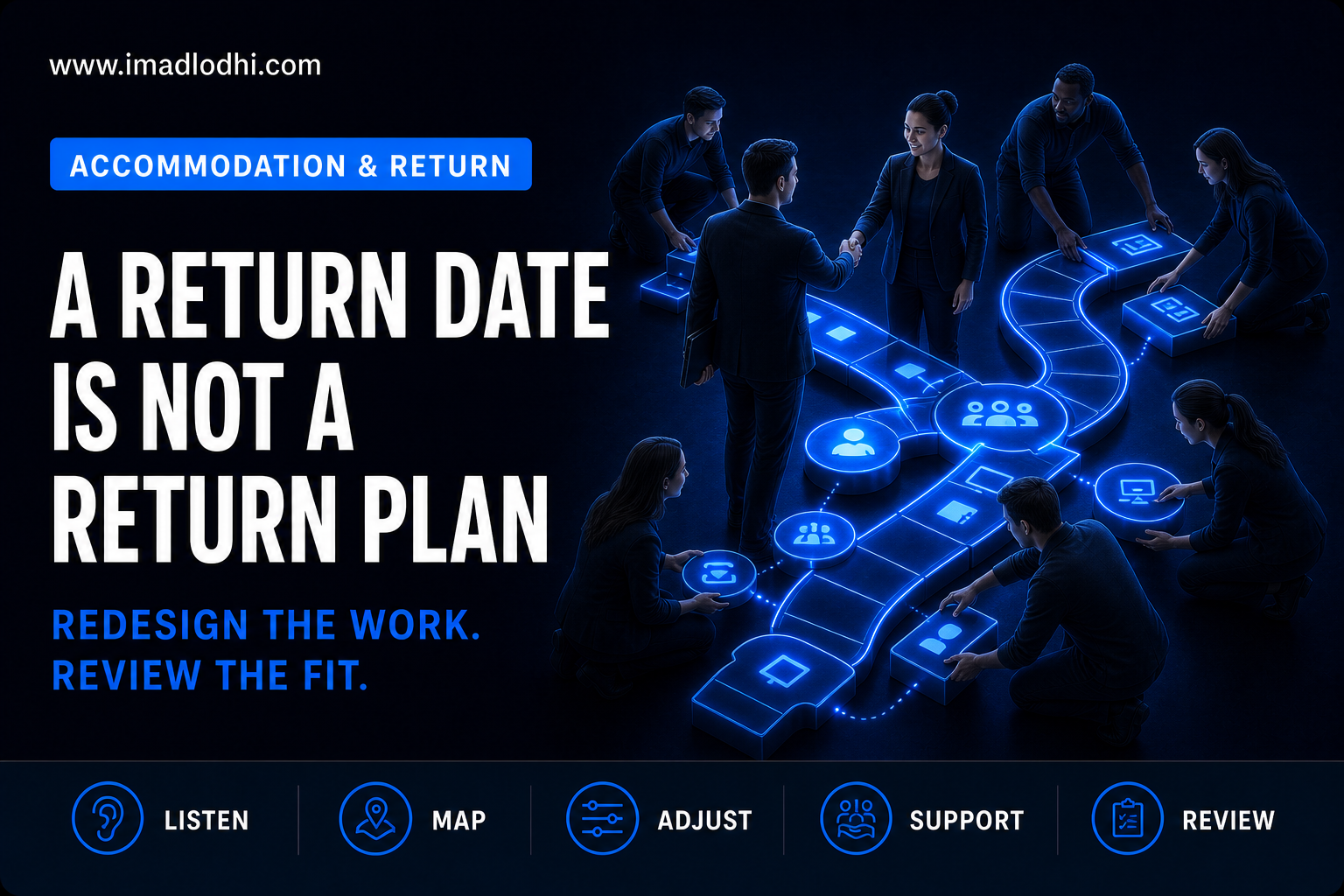
A phased return works only when leaders adjust workload, duties, coverage, and review points—not merely the date and hours.
Support should focus on work-related needs and functional abilities—not make unnecessary medical disclosure the price of being heard.
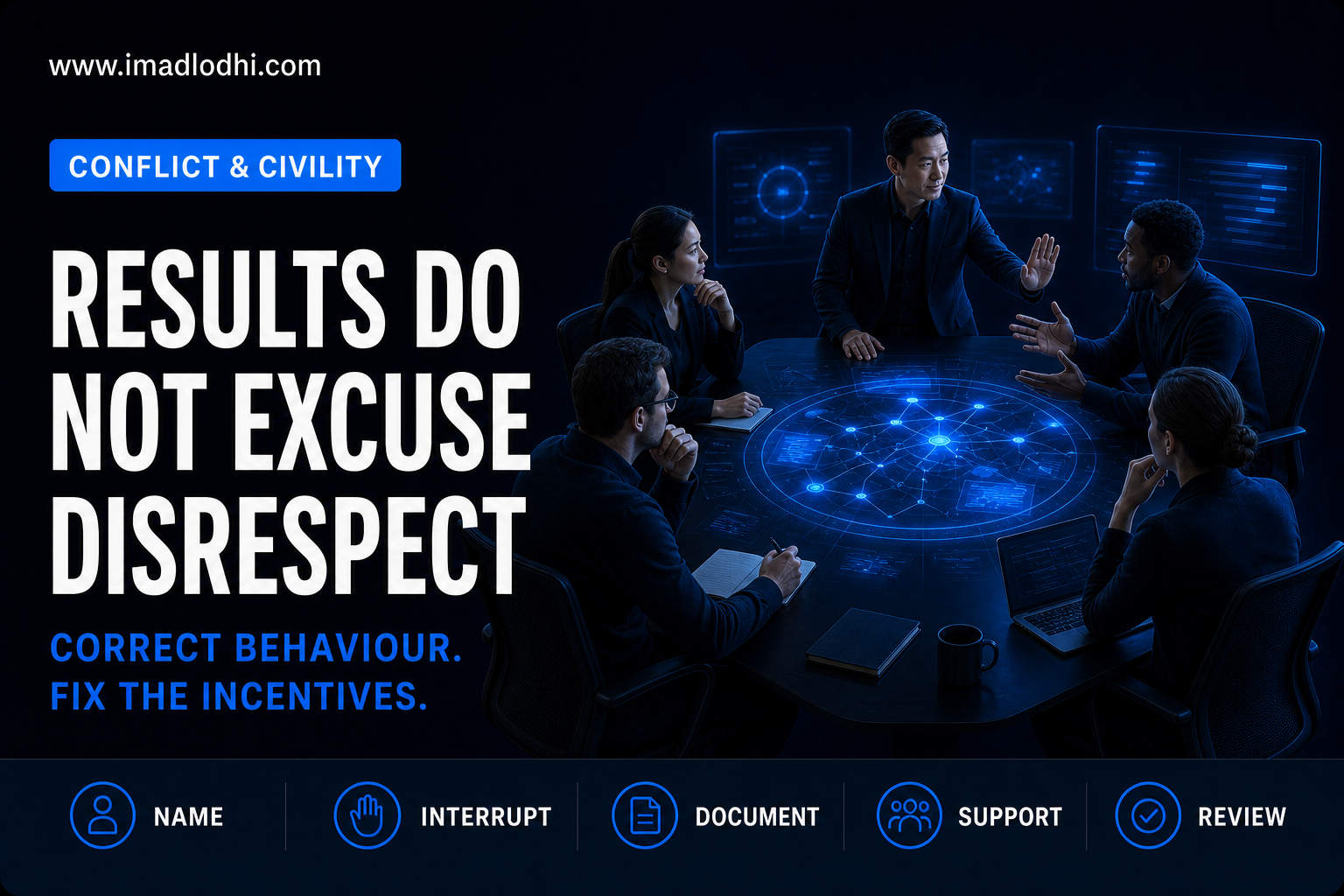
When leaders excuse disrespect because someone delivers, the behaviour becomes part of the operating model—not merely one person’s problem.
We have spent years automating pieces of IT operations. Agentic Operations takes the next step: systems that can observe, reason, decide, act, validate and learn within defined guardrails. Autonomous incident management is one of the clearest places to start.
Agentic Operations is not about adding another AI tool. It is about changing how work gets done by giving agents objectives, boundaries and authority to pursue outcomes.
Calling an incident “human error” may identify the final action, but useful reviews examine the conditions, controls, and decisions that made failure possible.
When leaders label every request urgent, employees lose the ability to distinguish real risk from routine pressure—and service quality suffers.
Meetings create motion, but only explicit decisions, owners, and deadlines convert discussion into accountable action.
Traditional automation executes predefined steps. Agentic operations changes the operating model by giving AI agents objectives, context and bounded authority to pursue outcomes. The opportunity is substantial—but broken processes, weak knowledge and unclear accountability do not disappear when agents arrive. They can simply execute dysfunction faster.
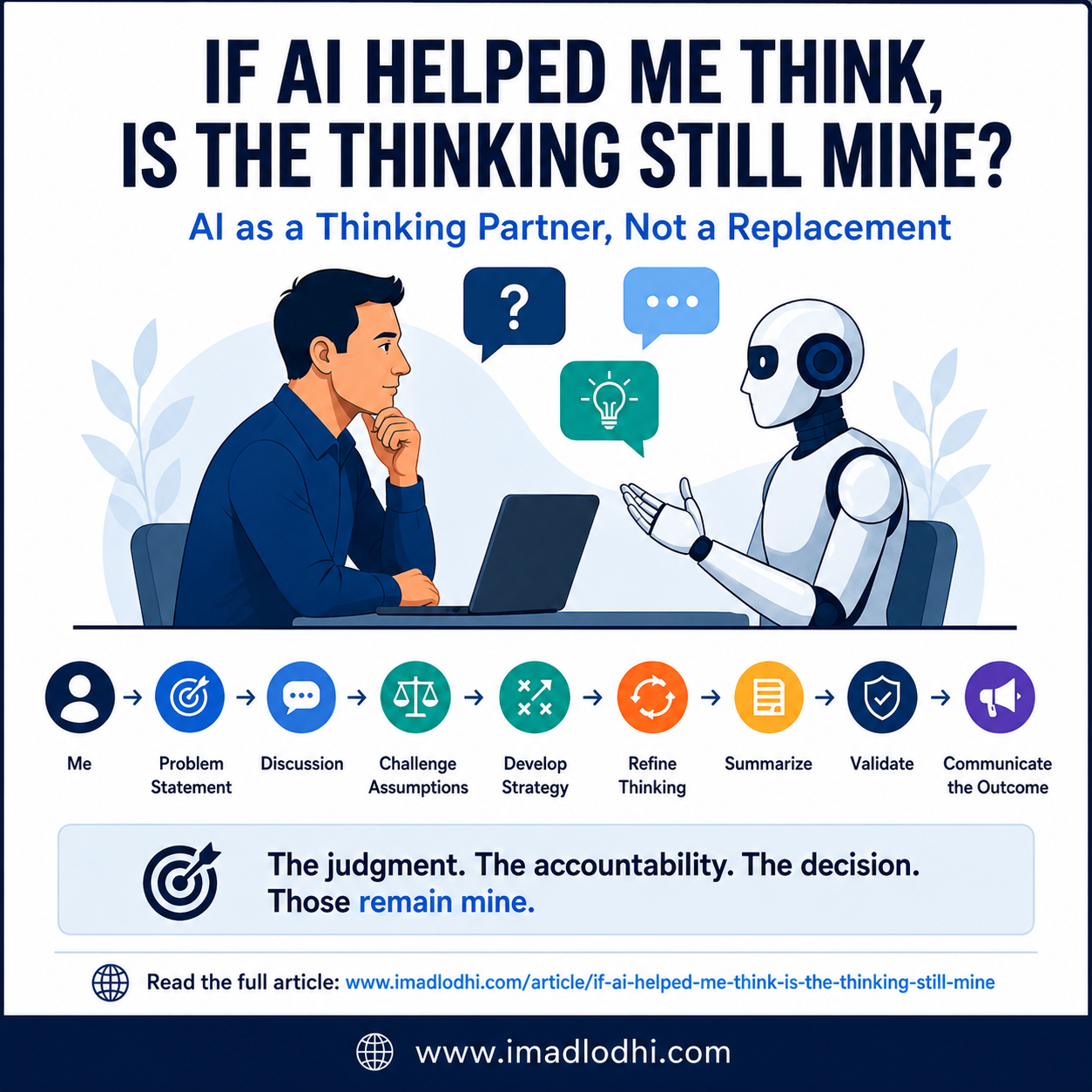
Generative AI does not have to replace human thinking. Used as a thinking partner, it can challenge assumptions, refine strategy and strengthen decisions while judgment and accountability remain human.
Too many organizations are buying generative AI first and searching for a business problem afterward—turning transformation into an expensive exercise in retrospective justification.
The real value of technology, data, analytics and AI is not the dashboard or the model. It is the better decision the organization can make because of the insight.
AI does not need more impressive titles. It needs experienced people who can connect business outcomes, technical capability, sales promises, delivery reality, and long-term operations.
A simple content request evolved one friction point at a time into an end-to-end agentic AI publishing workflow across Buffer, LinkedIn, and Webflow.
Agentic AI will earn sustained investment only when leaders connect its capabilities to measurable revenue, profit, productivity, risk, and customer outcomes.
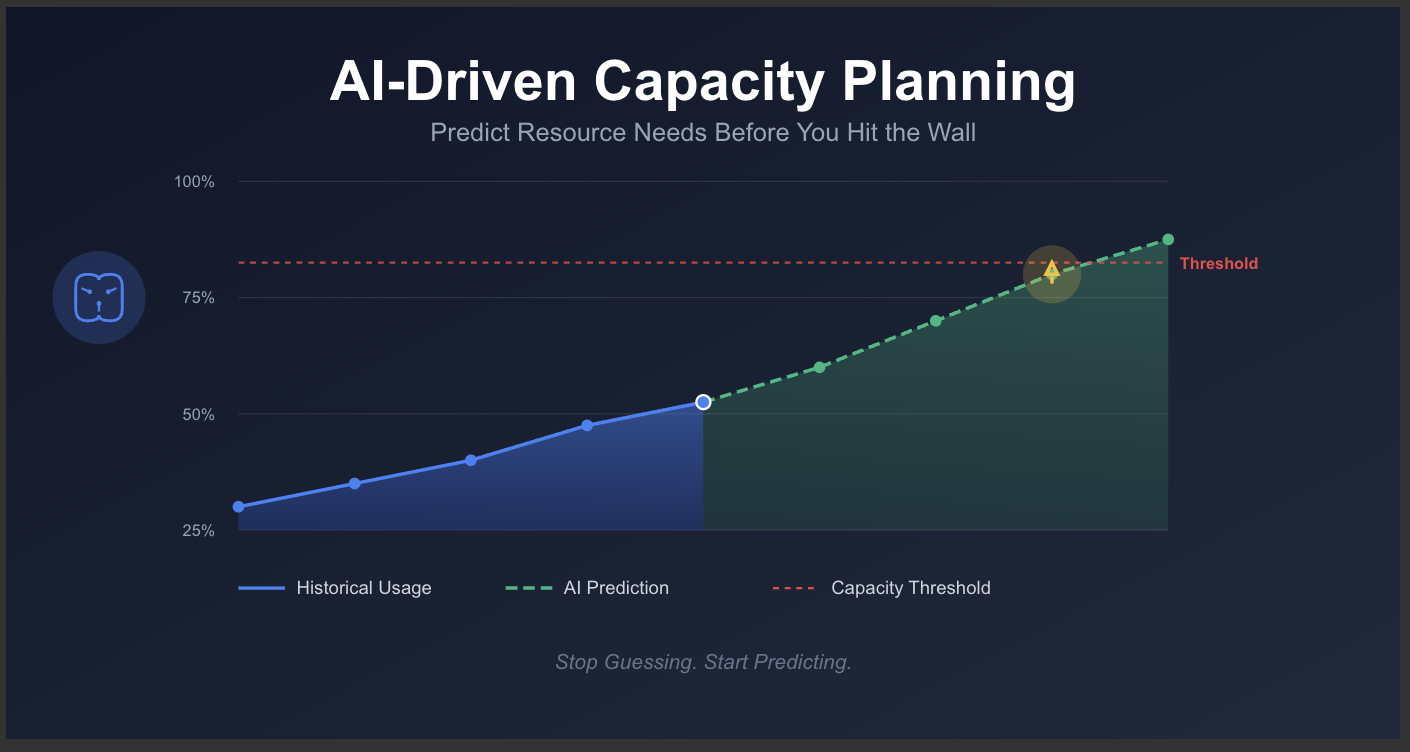
Predictive analytics uses AI to identify patterns in historical data and forecast future problems before they occur, transforming IT operations from reactive firefighting to proactive prevention. By analyzing trends in system usage, ticket volumes, and performance metrics, teams can anticipate capacity issues, prevent outages, and make data-driven decisions that keep services running smoothly.
AI-based incident triage uses machine learning and NLP to automatically categorize, prioritize, and route IT incidents, significantly reducing the Mean Time to Resolution (MTTR). This allows support engineers to shift their focus from repetitive manual sorting to solving high-impact issues, as demonstrated by clustering similar tickets in a simple code example.
AI-driven capacity planning uses machine learning to predict infrastructure resource needs before you hit critical thresholds. Instead of guessing or over-provisioning "just in case," IT teams can now forecast CPU, memory, and storage demands with data-driven precision—cutting cloud waste while preventing outages.
When organizations introduce new technology without protecting time for practice, employees are forced to learn in production—and customers absorb the risk.
Effort and results are two important factors that play a crucial role in determining success. Effort refers to the amount of work, energy, and time one puts in to achieve a goal or complete a task, while results refer to the outcome or output that is achieved as a result of that effort. While both effort and results are important, there has been a recent focus on the importance of effort, often at the expense of results. However, ultimately it is the results that matter.
When someone makes a mistake, it's crucial to communicate with them to address the issue. However, it's equally important to avoid gossiping or sharing the mistake with others. Instead, we should focus on sharing the lessons learned with others to prevent similar mistakes from happening in the future.
If you want to gain visibility in the workplace, there is one key currency that you must pay attention to: performance. Performance currency is the measure of your ability to achieve results and deliver value to your team or organization. Without it, you may be overlooked for promotions, bonuses, or even job security.
The term "one trick pony" is often used in a negative or derogatory way to describe a person or thing that is limited in their abilities or skills. This can be a liability in today's job market, where companies are increasingly prioritizing adaptability and versatility in their employees. The solution to this problem is to actively work on developing new skills and expanding your knowledge base, so that you can become a "carousel" of skills and abilities, increasing your value and marketability in the job market.
Embracing constructive feedback is crucial for personal and professional growth. It allows for new ideas and perspectives that can help improve work and achieve objectives. However, many individuals struggle with accepting criticism and feedback in a public setting, leading to fear of failure and rejection, limited ability to improve and adapt to new challenges, stagnation in career growth and lack of diversity in thought and decision making within teams. The solution is to develop strategies for managing emotions and reactions to feedback, seek out feedback from a diverse group of individuals, actively work to incorporate their perspectives into work, continuously seek out new challenges and opportunities for growth, and foster a culture of open communication and diversity of thought within teams.
Holding space for the younger generation is essential for managers and leaders. It requires a deep understanding of their unique needs and perspectives and involves actively listening, being open to new ideas, and creating a culture of empathy, respect, and understanding. By addressing challenges and providing resources, support and mentorship, managers can empower the next generation of leaders and create a space where they feel seen, heard, and valued.
As a management and leadership expert, I often see the impact that job titles can have on an individual's career and opportunities. In many cultures, including North America, job titles can hold significant weight and can be used to determine who is invited to certain events or meetings. But how do you ensure that you're being recognized for your expertise and experience, regardless of your job title?
Good communication is crucial to the success of any relationship, be it personal or professional. One important aspect of effective communication is the art of listening, which involves truly hearing others out before responding. In this blog, we will explore the importance of active listening and how it can improve our relationships and communication skills.
In any social or professional setting, it can be difficult to know when it is appropriate to speak up and share your thoughts, and when it is better to stay quiet and let others have the floor. In this article, we will explore the nuances of this delicate balance, and offer some practical tips for deciding when to speak up and when to stay quiet.
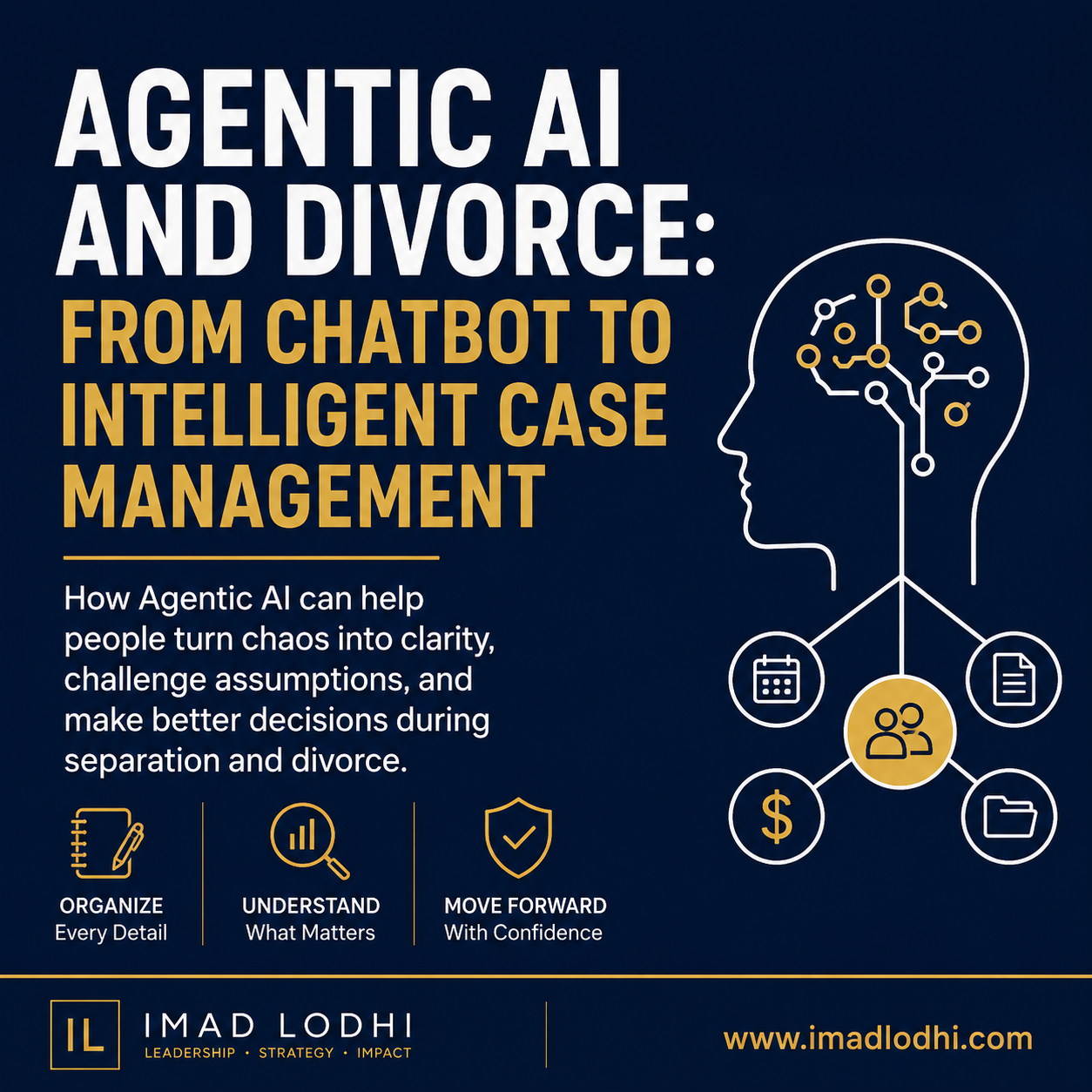
The opportunity isn't to build an AI divorce lawyer. It's to help people manage a complicated period with organized evidence, clearer context and human-controlled decisions.
Look, I get it. When you're going through a separation, every conversation with your co-parent can feel like walking through a minefield. You start talking about pickup times or school schedules, and suddenly you're back in an argument about something that happened six months ago. It's exhausting, and honestly? It's probably the most frustrating part of the whole process.
Look, I'm not going to sugarcoat this. High-conflict communication is exhausting. You send a simple message about pickup times, and somehow it turns into a 47-text argument about something that happened three years ago. You ask about your kid's soccer schedule, and you get back a paragraph about how you "never" do anything right. Every notification feels like a punch to the gut, and you're tired of it.
There are moments in a man’s life that permanently divide time into “before” and “after.”For many fathers going through separation or divorce, that moment is the day a false allegation is made. It doesn’t matter what the allegation is — violence, neglect, emotional harm, financial control — the impact is the same: your world collapses in a single breath. False allegations don’t just change your case. They change your identity, your stability, your sense of safety, and your place in your child’s life. And the system, instead of presuming innocence, often assumes the worst.I know this because I lived it.
I'll never forget the email. My ex's lawyer sent an itemized list: $3,200 for hockey, $1,800 for orthodontics, $950 for tutoring, $600 for summer camp. My share, calculated to the penny based on our income ratio, was due in 14 days. I stared at it, exhausted and confused. Some of these I knew about. Some I didn't. Was I legally obligated to pay for all of this? Half of this? What happens if I say no to hockey but yes to orthodontics? What if I can't afford my share right now?
CustodyMate was born from my own four-year divorce — a period of chaos that I turned into structure. What began as spreadsheets to manage custody, finances, and emotions evolved into a platform designed to help others navigate separation with clarity, calm, and control.
Custody Mate isn't about making divorce easier. It's about giving men a system when they're in the worst moment of their lives. It's about breaking the silence around something that affects 35-45% of marriages. It's about showing that you can come through this intact—not by toughing it out alone, but by bringing structure to chaos. I came out okay. My kids came out okay. My ex-wife came out okay. That's what's possible when you stop navigating blind and start navigating with a system.
Divorce doesn’t just end a marriage; it redefines what stability looks like. And for fathers, that means learning how to navigate a system that wasn’t always built with them in mind. So if you’re standing where Mark once stood — tired, frustrated, and overwhelmed — know this: you’re not powerless. Educate yourself. Keep records. Seek good counsel. Advocate for your share — not out of pride, but out of responsibility to your children. Because after love fades and the paperwork piles up, what really matters is this — being the kind of father your kids can still count on.
Your child's RESP doesn't have to become another casualty of divorce. With a little planning and a solid agreement, you can make sure those education savings do exactly what they were meant to do — give your kid a great start in life.
Respect isn't about agreeing—it's about creating a foundation where your child feels safe, loved, and free from conflict. Your children are watching how you navigate this challenge, learning lessons about conflict resolution, emotional regulation, and what it means to put someone else's needs first.
As contact centers embrace the future of Contact Center as a Service (CCaaS) platforms like Genesys Cloud, one of the biggest challenges they face is transitioning from legacy systems—particularly complex IVR (Interactive Voice Response) systems. These systems have been integral to contact centers for years, handling routine inquiries and routing calls to the appropriate agents. However, legacy IVR systems often lack the flexibility and scalability needed to meet modern customer expectations, and migrating them to the cloud without service disruption can be daunting.
In today’s highly competitive landscape, businesses are constantly seeking ways to provide exceptional customer experiences while maintaining operational efficiency. Traditionally, organizations have had to choose between the two, often sacrificing one for the other. However, with the emergence of AI-driven contact center platforms like Genesys Cloud, businesses no longer need to make that trade-off. By leveraging advanced AI capabilities and automation, it is now possible to create a balance where both customer satisfaction and operational performance thrive.
In today’s fast-evolving digital landscape, contact centers face increasing pressure to keep up with rising customer expectations. One of the most significant shifts organizations can make is moving from an on-premise contact center infrastructure to a Cloud-based Contact Center as a Service (CCaaS) platform like Genesys Cloud. While the benefits of such a migration are numerous—scalability, cost savings, and enhanced customer engagement—the process can present significant challenges, especially when dealing with large organizations that have multiple lines of business.
Genesys Cloud is one of the most advanced and comprehensive Contact Center as a Service (CCaaS) platforms available today. It offers a wide array of features designed to enhance customer interactions, optimize agent performance, and drive operational efficiency. From its omnichannel routing capabilities to AI-driven insights, Genesys Cloud enables organizations to deliver personalized, seamless customer experiences across multiple touchpoints
Migrating a contact center from on-premise to a cloud-based solution offers a range of benefits, including increased scalability, flexibility, cost efficiency, and enhanced customer experience. However, the process also presents numerous technical challenges that must be addressed to ensure a smooth transition.
I remember walking into a company's sleek new office, complete with all the latest gadgets and a state-of-the-art digital dashboard that monitored every conceivable metric. The CEO proudly showcased their digital overhaul, highlighting how they've integrated AI, cloud computing, and big data analytics into their operations. Yet, as I spoke to the employees, I sensed a disconnect. Morale was low, confusion was high, and the promised efficiency was nowhere to be found.
The Contact Centre as a Service (CCaaS) industry is revolutionizing how businesses handle customer interactions. As organizations seek more scalable, cost-efficient, and intelligent solutions, CCaaS providers have emerged as essential partners. Here, we explore five leading CCaaS providers, detailing their strengths, weaknesses, and top capabilities.
The backbone of a modern cloud contact center lies in its architecture. The right setup enables seamless integration between on-premise systems and cloud platforms, supporting omnichannel communication, AI-driven workflows, and robust data analytics.
The success of a modern contact center depends on a range of assets that ensure smooth operations and a seamless customer experience. From development frameworks to IVR systems and AI-driven conversational tools, these assets require regular assessment to maintain peak performance. Here's a breakdown of the most critical contact center assets, along with how they should be cataloged and evaluated to ensure effectiveness and identify opportunities for improvement.
The rise of artificial intelligence (AI) has brought a wave of transformative innovations to the Contact Center as a Service (CCaaS) industry. By enhancing operational efficiency, improving customer satisfaction, and enabling more personalized interactions, AI is reshaping how contact centers operate. Below are some of the key AI-driven innovations that are having the most profound impact on cloud-based contact centers today.
In complex B2B sales, a great relationship with one stakeholder can create confidence without creating a deal. Strong opportunities are built by understanding how the organization actually makes the decision.
One creates discipline and visibility. The other builds the seller's ability to sell. Confusing them leads to more pressure, more reporting—and very little improvement.
A strong recap gives your buyer a clear, forwardable story they can use to align internal stakeholders and move the decision.
A sales team can be incredibly busy and still have a stagnant pipeline. Real progression is evidence that the customer has moved closer to a decision—not calls, demos, proposals or CRM stage changes.
If you build it, they will may come. Don’t build for hype. Find a real problem. Solve it. That’s the only path to value. #BuildWhatMatters #ProblemSolving #StartupLife
If you don’t understand what you’re selling, you’re not closing deals—you’re just auditioning for World’s Best Talker. 💬 Know it. Solve it. Sell it. #SalesWisdom #RealTalk
💊 Doctor walks in. Doesn’t ask a single question. Just says:“ This miracle cure will change your life!”…Ridiculous, right? That’s how too many sales reps pitch AI today. 📌 Stop pushing the tech. 📌 Start asking about the problem. When you listen first, you don’t just sell—you solve. And that’s what makes you a partner, not a pusher.✨ Problem first. Solution second. Always. #SalesTips #AI #GenAI #BusinessGrowth #ProblemSolving #ConsultativeSelling
LinkedIn is a powerful platform for personal growth and development, but it's not without its problems. One of the biggest issues is the prevalence of trite, surface-level advice that lacks real substance and value. While these posts may receive thousands of likes and impressions, they do little to truly support personal growth and development. As a management and leadership expert, I'm here to offer a solution. By understanding the importance of both cheerleaders and coaches in personal growth and development, and recognizing the value in providing detailed, actionable plans and strategies, you can rise above the surface-level advice and make a real impact as a leader.
Coaching is a process of guiding and supporting an individual or team to achieve specific goals and improve their skills and knowledge. Coaching typically involves providing feedback, setting goals, and offering guidance and support to help individuals or teams reach their full potential.
As a senior manager, it's important that you're able to coach people for growth. After all, helping others reach their potential is one of the key ways to create a thriving organization. But what exactly does coaching for growth entail? Here are some tips to get you started.
As a manager or leader, it is your responsibility to help your team members develop and grow in their roles. Coaching is a powerful tool that can help your team members improve their skills, increase their confidence, and achieve their goals.
In the last few months, I’ve had the opportunity to attend several startup events and meet a wide range of ambitious entrepreneurs. A common theme has emerged: many startups approach me seeking advice on securing funding. When I ask the fundamental question—What is the product or service you’re offering?—the response often involves the term AI.
In the ever-evolving realm of social media, the proliferation of management and leadership memes can indeed raise questions about their underlying objectives. Let's embark on a journey to decipher the layers and intentions behind these humorous snippets of wisdom.
In the world of business, startups and large service providers often find themselves competing for customers. While startups are known for their agility and customer-centric approach, large service providers have the advantage of resources and established networks. This article aims to explore the contrasting characteristics of startups and large service providers when it comes to customer satisfaction and outcomes.
In every organization, there's a dance of words that happens daily. The technical experts, with their jargon-filled language, face off against the business leaders, who often speak in broad, strategic terms. It's like they're reading from entirely different scripts, each thinking they're the lead in a solo performance, unaware that they're part of a duet.
Embarking on a startup journey is like setting sail on uncharted waters, filled with both promise and peril. While entrepreneurs are often brimming with passion and revolutionary ideas, they must tread cautiously to avoid common pitfalls that can derail their dreams. In this blog post, we shed light on the most common blind spots that startups encounter and offer practical insights to navigate them effectively. By addressing these challenges head-on, aspiring entrepreneurs can steer their ventures towards sustainable success.
In the dynamic world of startups, where innovation and creativity reign supreme, entrepreneurs often find themselves riding the rollercoaster of excitement, fear, and uncertainty. When nurturing a groundbreaking business idea, it is natural to focus on its strengths and potential success. However, a vital aspect of ensuring long-term viability is stress-testing the concept through the lens of a devil's advocate. In this blog post, we explore why embracing skepticism and taking a devil's advocate approach can be an effective strategy to assess the robustness of a business idea for startups.
In the world of startups and entrepreneurship, understanding and implementing the concept of a Minimum Viable Product (MVP) is vital. Whether you are a budding entrepreneur or a seasoned business veteran, the MVP approach can significantly streamline your process, saving time, effort, and money.
Entrepreneurship is an exciting journey, paved with opportunities, challenges, and a plethora of ideas. However, the key to a successful entrepreneurial endeavor lies in the careful selection of the right idea to pursue. As an entrepreneur, you may find yourself brimming with numerous innovative thoughts. But how do you sieve through this abundance and pinpoint the idea worth investing your time, energy, and resources? Here's a systematic approach to guide you through this crucial decision-making process.
As a successful entrepreneur and sales expert, I've come to understand the importance of strategy in selling, particularly when your venture is just starting to take off. Among the plethora of sales methodologies out there, one framework that has proven to be especially useful is the CDVM framework. It comprises four critical components: Customer, Decision Process, Value Proposition, and Message. Here, I'll guide you through each one, empowering you to take your startup's sales game to the next level.
For startups seeking to secure larger deals or key accounts, having a well-defined and strategic approach is paramount. This is where a "Win Plan" comes into play – a powerful document that outlines the steps and actions needed to succeed in specific sales opportunities. In this blog, we'll delve into the key components of a Win Plan and how startups can leverage it to their advantage in the competitive market.